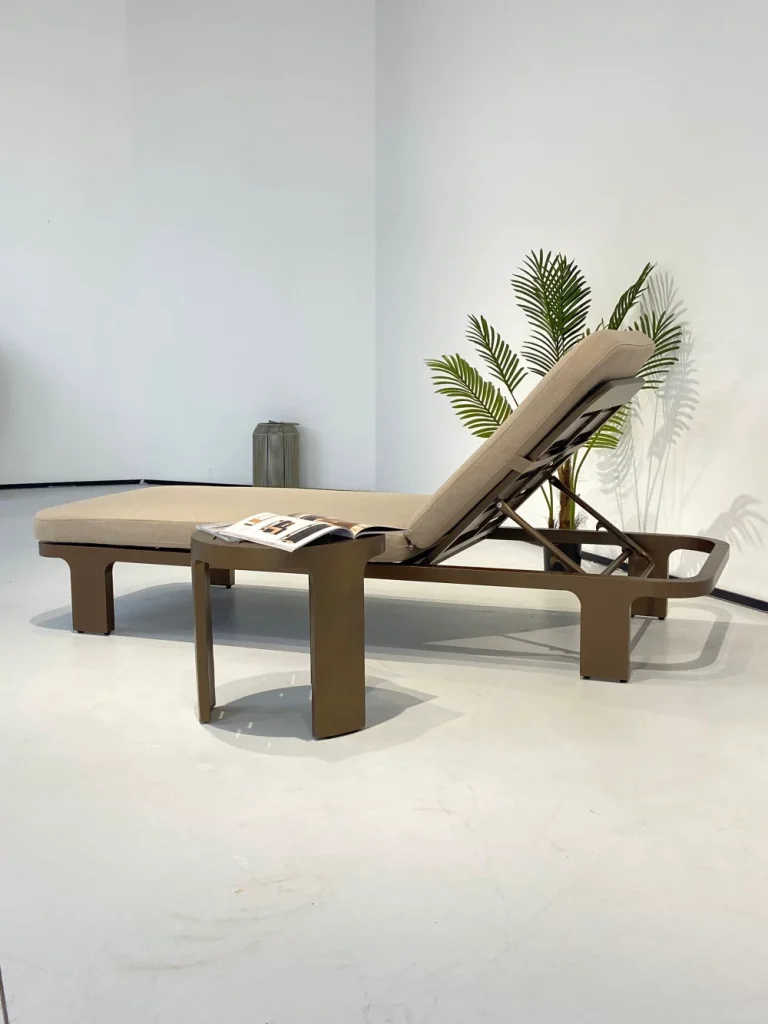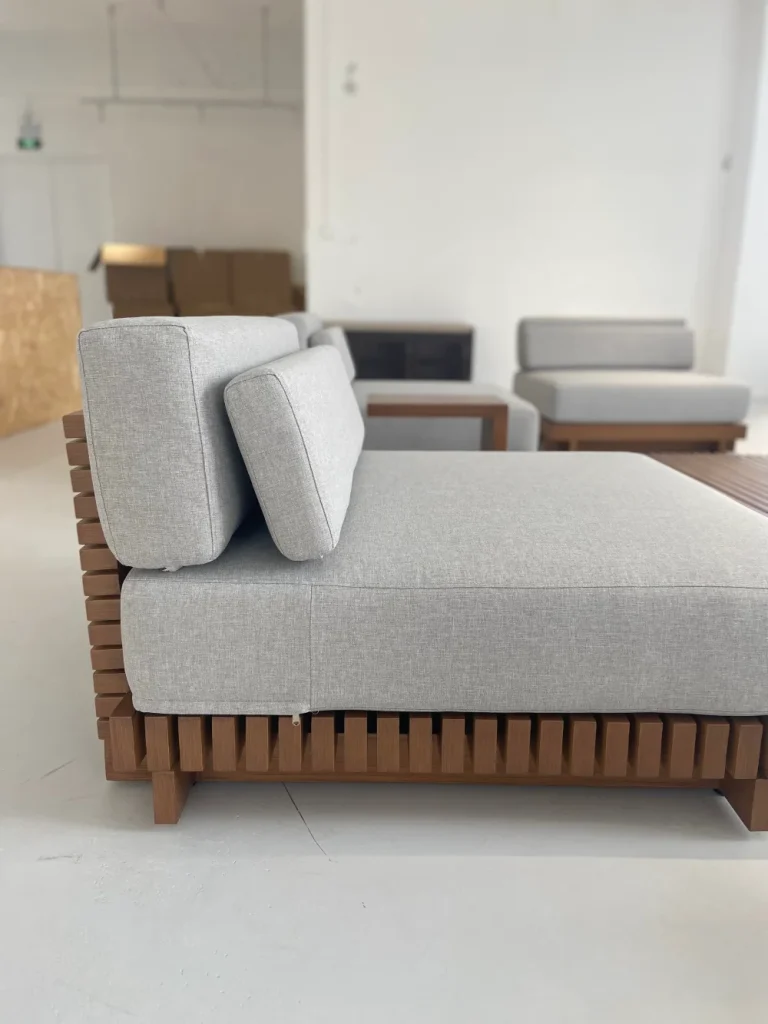
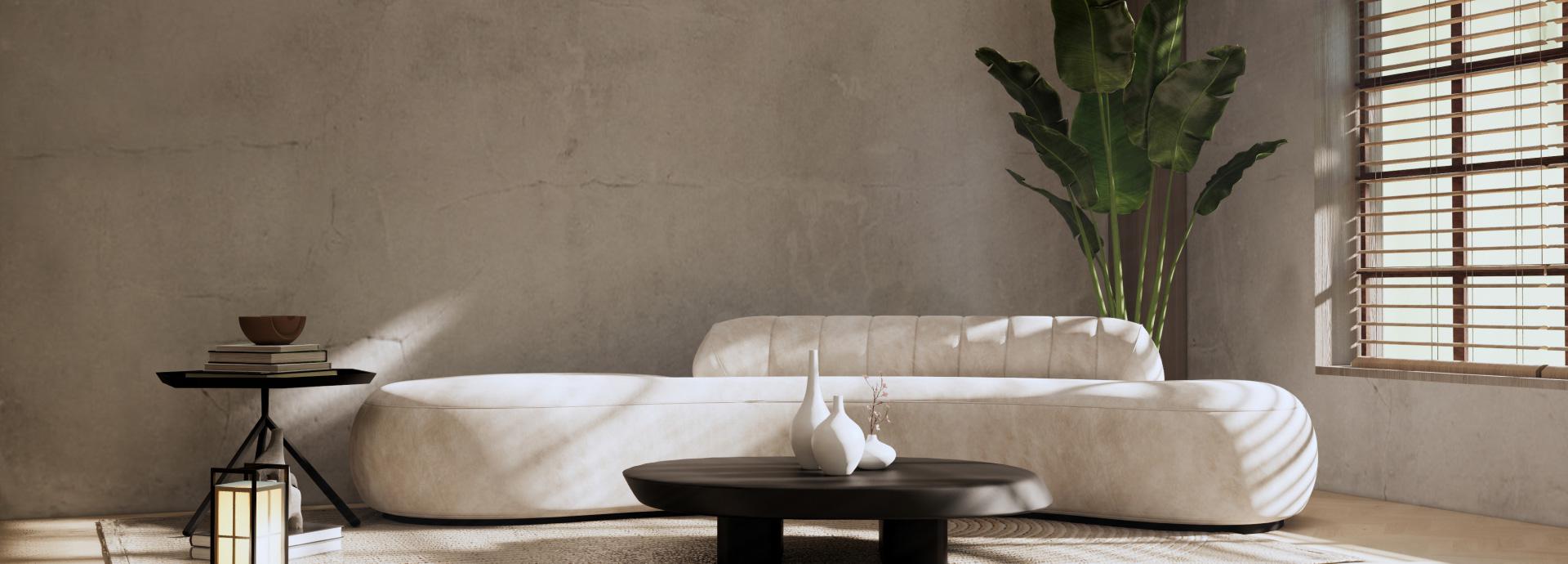

Step 1: Deep Cleaning Before the Freeze
I always tell my clients that if you want to maintain outdoor wooden furniture properly, you cannot skip the prep work. Leaving summer dirt, pollen, and food spills on your wood is a recipe for disaster once the snow flies. Mold and mildew prevention on patio chairs and tables starts with a perfectly clean slate.
Removing Summer Grime and Mildew
Cleaning is absolutely essential when maintaining outdoor furniture in winter. Dirt can trap moisture on the wood surface, accelerating its rot in the harsh winter..
- Use gentle solutions: A simple mixture of mild dish soap and warm water is sufficient to effectively clean outdoor furniture. For stubborn mold stains, it is recommended to use a bleach-free wood cleaner to protect the natural color of the wood.
- Scrub softly: Work a soft-bristle brush in the direction of the wood grain. This lifts embedded grime without scratching the surface.
- Skip the power washer: While using a high-pressure water gun for quick cleaning is convenient, it can damage wood fibers and destroy its natural protective layer. It’s best to use a regular garden hose for rinsing.
Thorough Drying Time
Moisture is the biggest enemy of outdoor wooden furniture. If you seal, treat, or cover damp wood, you’re essentially locking the moisture inside. When temperatures drop below freezing, this trapped moisture expands, causing severe cracking and wood rot.
- Wait it out: Let your outdoor furniture dry completely for a full 48 to 72 hours. Place the pieces in a sunny, well-ventilated area if possible.
- Check the hidden spots: Pay special attention to seams, corners, and under seats, as these areas are prone to moisture buildup. The wood must be completely dry to the touch before considering any treatments or coverings.
Step 2: Inspecting and Repairing Damage
After cleaning and completely drying outdoor wooden furniture, I always recommend carefully inspecting it for any signs of wear and tear. Small problems, if left unaddressed, can develop into serious structural issues when cold weather arrives.
Sanding Out Imperfections
Summer weather takes a heavy toll on wood surfaces. I make it a habit to look closely at the armrests and surfaces of our outdoor tables and seating for rough spots.
- Use fine-grit sandpaper: Lightly sand down any raised wood fibers, splinters, or rough patches by following the natural grain.
- Target water stains: Gently sand away minor discoloration before it sets in permanently.
- Create a smooth base: A smooth surface ensures that any winter sealants you apply later will adhere correctly and evenly.
Tightening and Replacing Hardware
Wood expanding and contracting during extreme temperature shifts is unavoidable, but it directly loosens the hardware holding your pieces together.
- Test all connections: Grab a screwdriver and wrench to check every bolt, screw, and hinge. Tighten anything that feels loose to restore stability.
- Replace rusted metal: Rust spreads fast in wet, freezing conditions. I strongly advise swapping out corroded hardware with rust-resistant stainless steel or brass components. This simple step helps prevent wood rot in winter right at the joint where the metal meets the wood.
Taking the time to repair these minor physical imperfections now ensures you properly maintain outdoor wooden furniture, keeping your pieces structurally solid until spring arrives.
Step 3: Treating and Sealing the Wood
Choosing the right protective layer is crucial for maintaining outdoor wooden furniture during the cold winter months. Proper treatment can prevent moisture penetration and maintain the structural integrity of the furniture.
Oiling vs. Sealing vs. Varnishing
Different types of wood require completely different approaches to survive extreme winter conditions.
- Teak and Hardwoods: Dense wood is naturally moisture-resistant. Using a high-quality outdoor wood oil helps restore the wood’s natural luster without damaging the grain.
- Pine, Cedar, and Softwoods: These types of wood have a high porosity. Applying a strong, waterproof wood sealant outdoors is the most effective way to prevent wood from rotting in winter.
- Varnishing: While varnish can form a hard protective layer, it is rarely the best choice for winter maintenance. Outdoor wooden furniture inevitably expands and contracts under extreme temperature changes, causing the varnish to crack and peel.
Understanding exactly how to clean and protect outdoor furniture like a pro ensures that you match the right chemical treatment to the right wood type.
How to Apply a Winter-Grade Wood Sealant
Applying a protective coating correctly ensures your outdoor furniture stays completely sealed against snow, sleet, and ice.
- Avoid Direct Sunlight: Always apply the sealant in a cool, shaded place, in a garage, or on a cloudy day. Direct sunlight will cause the product to dry too quickly, resulting in an uneven coating, mottled marks, and ineffective protection of the wood.
- Proper Brush Techniques: Use a high-quality natural bristle brush. When applying the sealant, be sure to follow the natural grain of the wood. Use long, smooth strokes to penetrate the wood’s pores, rather than just leaving it on the surface.
- Layer Thinly: Two thin coats always provide much better weatherproofing than one thick layer. Allow the first layer to cure completely before applying the next.
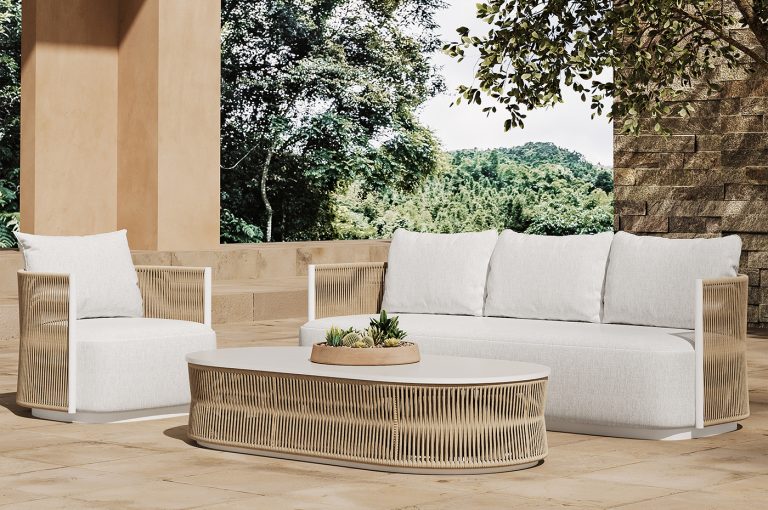
Taking the time to seal exposed frames on larger patio centerpieces, such as an outdoor three-seat sofa, effectively blocks freezing moisture from splitting the joints and ruining the wood.
Step 4: Shielding from the Elements (Covers and Storage)
After cleaning and sealing the wood, the final step in the safe maintenance of outdoor wooden furniture is to build a strong physical barrier against harsh winter weather. Proper protection will determine whether your patio furniture looks brand new or has cracked and warped by springtime.
Choosing the Right Outdoor Furniture Covers
I always advise against covering furniture with cheap plastic sheeting. Impermeable plastic traps moisture, quickly leading to mold, mildew, and even wood rot. Instead, you need high-quality, breathable outdoor furniture covers. When purchasing furniture covers, make sure they have the following key characteristics:
- Breathability: Built-in vents allow trapped condensation to evaporate safely.
- Waterproof Seams: Taped or reinforced seams stop melting snow from leaking through the stitching.
- Tie-Downs: Straps, buckles, or drawstrings keep heavy-duty patio covers anchored during violent winter winds.
- UV Resistance: Protects the cover material from degrading under the harsh, direct winter sun.
Elevating Your Furniture
If you are leaving your outdoor furniture on the patio, never let the wooden legs rest directly on wet grass, puddles, or snow-covered concrete. Ground moisture will wick up into the end grain of the wood, causing severe swelling and rot. To prevent this from happening, put rubber covers on the legs of the tables and chairs, or place the entire set of tables and chairs on a wooden tray to keep them away from the wet ground.
Indoor Storage Solutions
The most reliable winter storage for garden furniture is simply bringing it indoors. A dry, enclosed space drastically extends the life of outdoor wooden furniture.
- Unheated Spaces: An unheated garage or garden shed is the ideal environment. It shields the wood from precipitation while allowing it to acclimate to cold temperatures naturally.
- Heated Spaces: Exercise extreme caution and never store wooden furniture in heated basements or storage rooms. The extremely dry, hot indoor environment forces the wood to lose its internal moisture too quickly, causing it to expand, shrink, and eventually crack. If you must use a heated room, keep the furniture as far away from radiators and vents as possible.
Caring for Different Types of Outdoor Wood
When you maintain outdoor wooden furniture, understanding the specific wood type is crucial. Different woods react differently to freezing temperatures, dry air, and moisture. Customizing your outdoor wood furniture care routine extends the lifespan of your pieces.
Wood Type Maintenance Guide
| Wood Type | Characteristics | Winter Prep & Care |
| Teak | High natural oil content, extremely durable, low maintenance. | Teak wood winter maintenance is straightforward. It naturally resists rot, but a light wash before storage is ideal. Left exposed, it develops a silvery-gray patina. |
| Acacia & Eucalyptus | Dense and beautiful, but highly vulnerable to moisture changes. | To properly treat acacia wood for outdoor use, apply a generous coat of protective oil before winter. Keep these woods elevated and strictly covered to stop cracking. |
| Cedar & Redwood | Naturally rot-resistant, insect-repellent, and lightweight. | Excellent for harsh climates. Cedar furniture weatherproofing simply requires applying a clear water repellent sealant to block freezing moisture from penetrating the grain. |
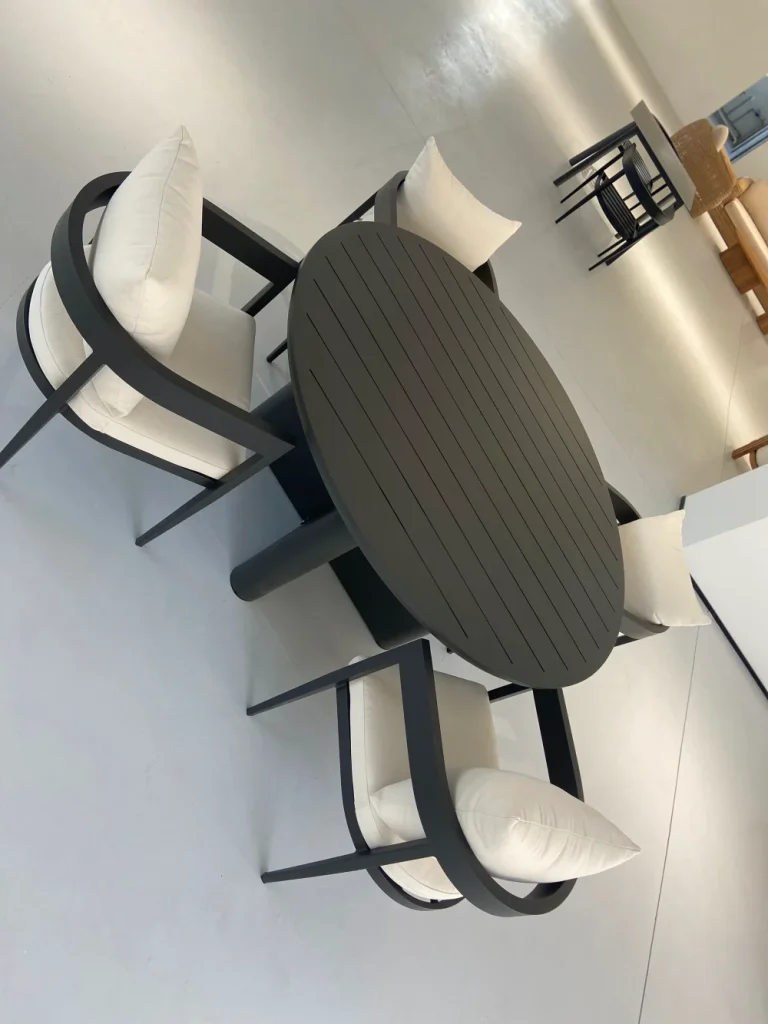
Whether you’re providing winter care for large dining tables and chairs or comfortable dining chairs, proper handling of specific materials can ensure your outdoor furniture avoids structural damage during the cold season. Prioritize keeping the wood dry and completely avoid direct accumulation of snow or ice.
Frequently Asked Questions (FAQs) About Winter Wood Care
Properly maintaining outdoor wooden furniture during the harsh winter can present several challenges. Below are answers to some of the most common questions I’ve received regarding winter furniture care.
In short, the answer is no. Even very durable wood will be damaged if exposed to ice and snow for extended periods. Repeated freeze-thaw cycles cause wood to expand and contract dramatically, resulting in severe cracking and structural damage. To effectively protect patio wood from snow, you must use high-quality, breathable outdoor furniture covers or move the furniture indoors.
Absolutely not. Wrapping outdoor furniture in thick plastic sheeting is asking for trouble. The plastic sheeting will cause condensation to form directly on the wood, creating an ideal environment for wood to rot. Good air circulation is crucial to effectively prevent patio furniture from getting moldy. Don’t use cheap plastic sheeting; invest in a sturdy and durable patio cover with built-in ventilation holes.
Wood itself can withstand sub-zero temperatures without being affected—the real enemy is moisture. What truly damages outdoor chairs and dining tables is not the extreme cold, but the frozen moisture trapped within the wood fibers. As long as outdoor wooden furniture is completely dry, well-sealed, and properly covered to protect it from wet snow and freezing rain, it will thrive in harsh winter conditions.