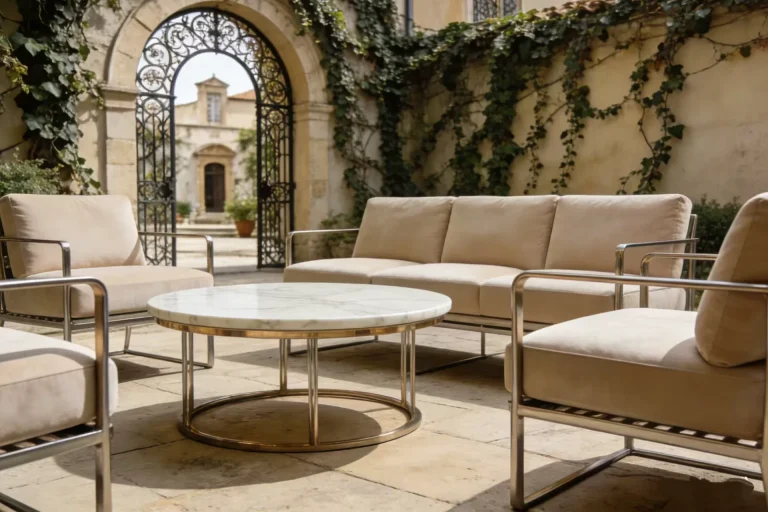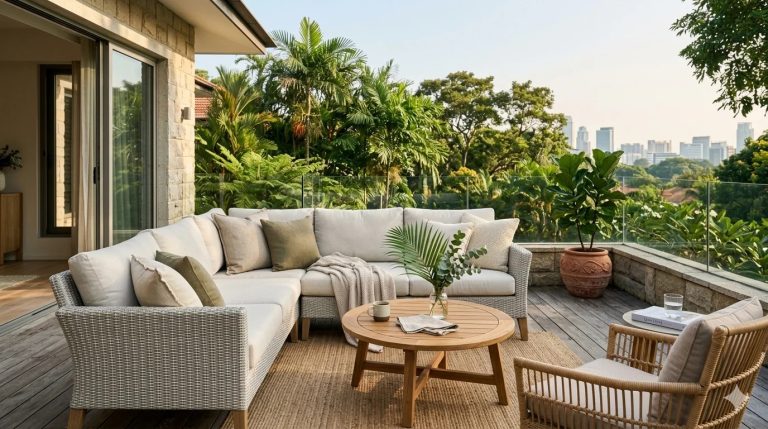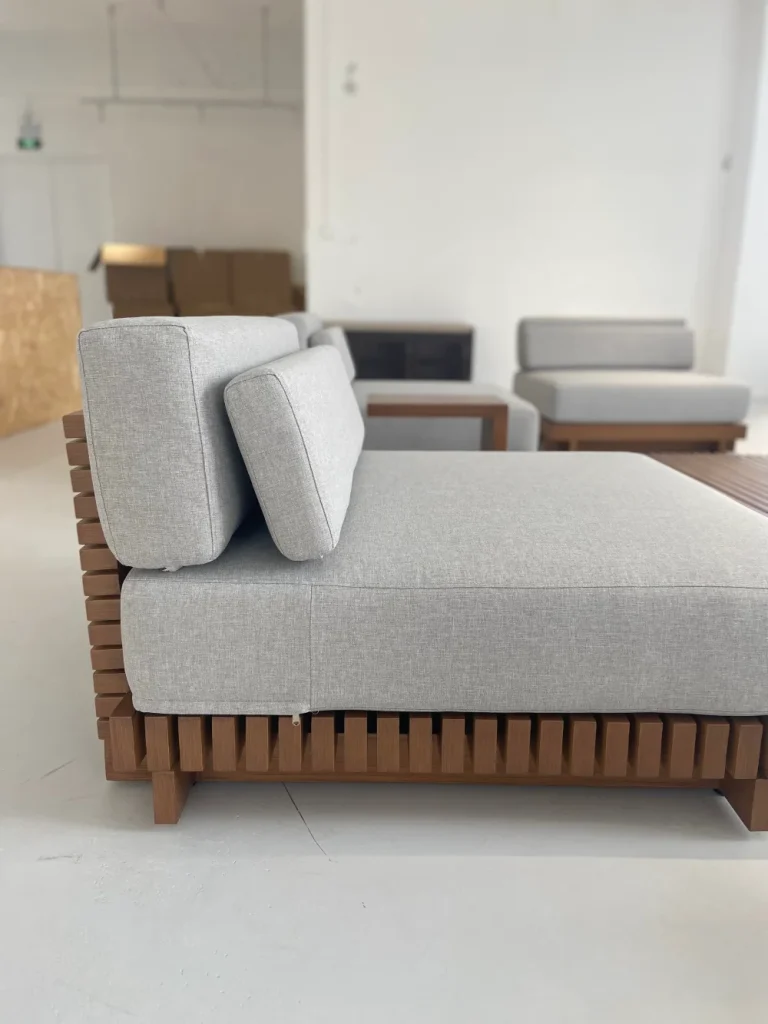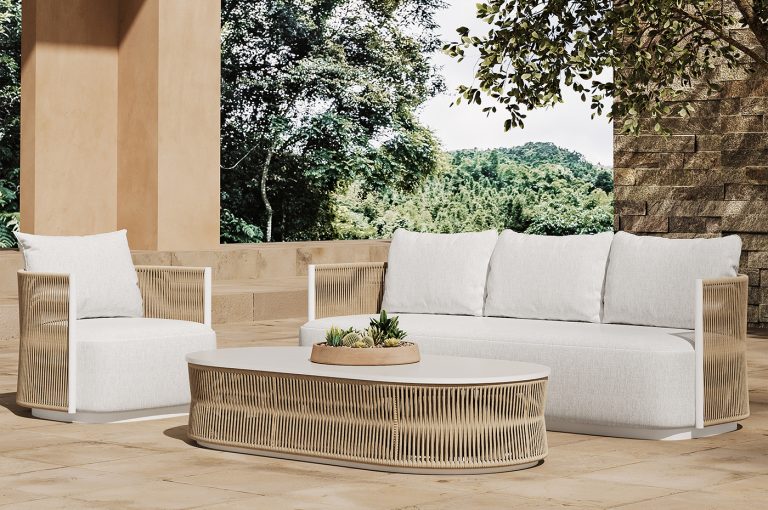
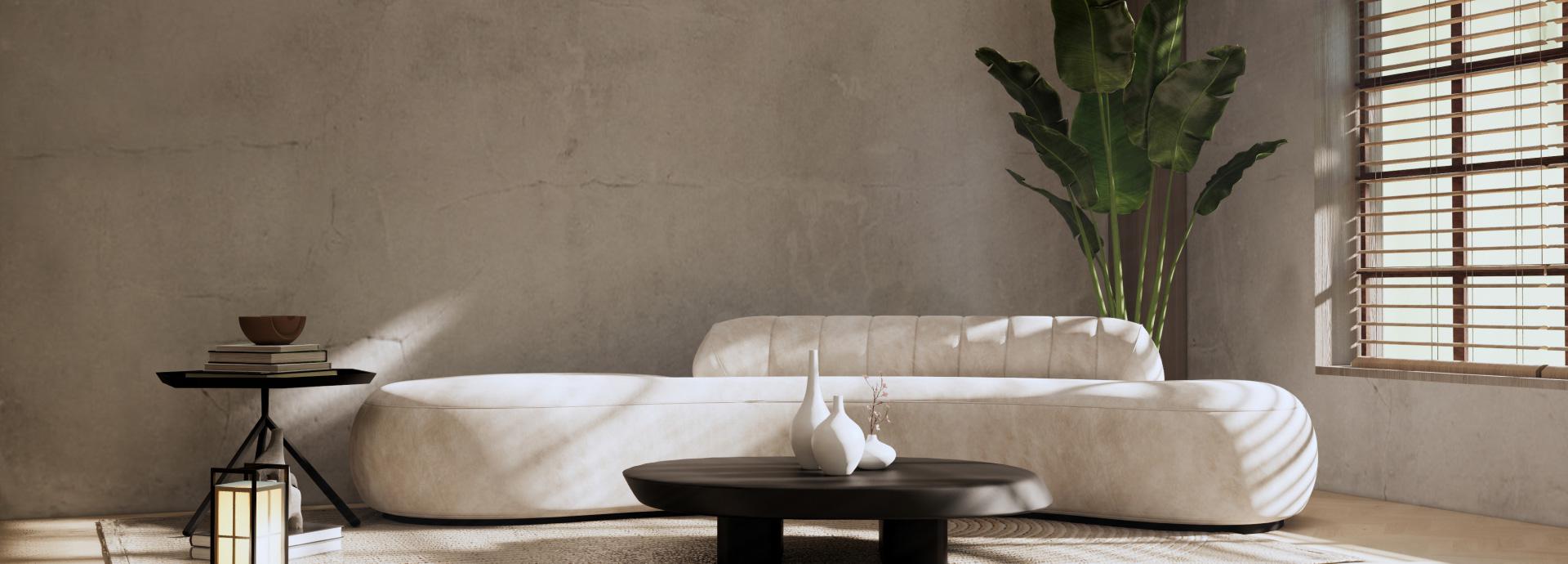
Before considering style or materials, you need a comprehensive outdoor living space layout plan. Blindly buying patio furniture without first planning the actual floor space can easily make the patio feel cramped or empty and cold. We examine space design from two main perspectives: what you will actually do outdoors, and how much spacious space you have.
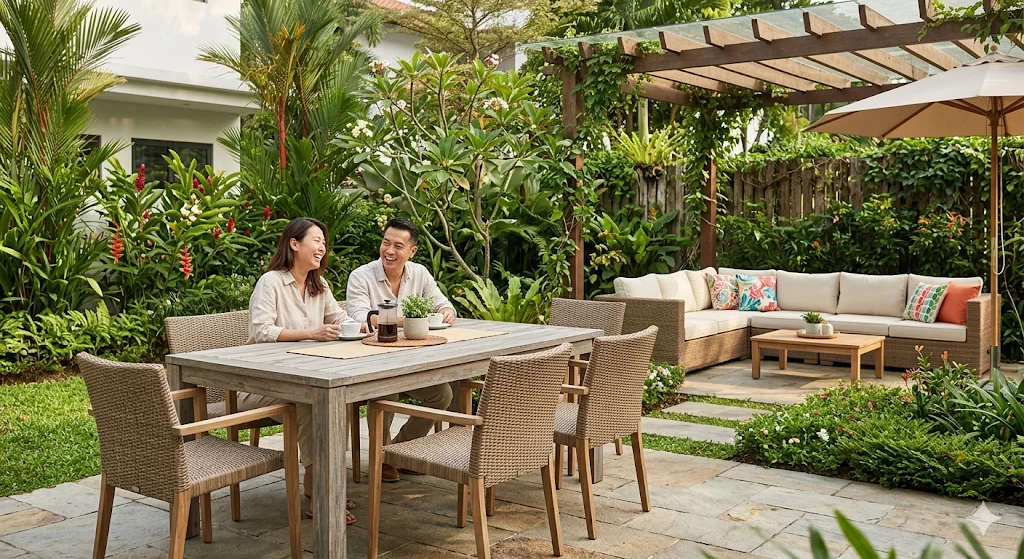
Define the Primary Function
How do you envision spending your weekend? Your lifestyle dictates your layout. Trying to fit all your needs into one layout usually results in it doing nothing well. Choose your primary atmosphere:
- The Al Fresco Dining Room: Centered around a sturdy teak outdoor dining table and comfortable chairs, this suite is designed for homeowners who value weekend barbecues, family meals, and drinks under the stars.
- The Open-Air Living Room: Centered around spacious and comfortable outdoor sofas, luxurious outdoor sofas, or modular outdoor sofas, this layout is more suitable for afternoon naps, leisure reading, and casual coffee conversations.
- The Multi-Purpose Oasis: One hybrid approach uses flexible and lightweight furniture, such as lounge chairs, paired with nesting tables or storage benches, to allow for easy adjustments to the layout.
Measure Twice, Buy Once
A gorgeous patio layout fails if people have to squeeze past chairs or step into garden beds just to move around. You need to map out your traffic flow deliberately.
| Space Category | Core Consideration | Best Layout Strategy |
| Small Space Patio | Avoid bulky arms and heavy bases that eat up floor space. | Use bistro sets, folding chairs, and slender small space patio furniture. |
| Expansive Layout | Floating pieces can look lost or uninviting without structure. | Create distinct “zones” using a large patio conversation set anchored by outdoor rugs. |
Pro Tip: Leave at least 30 to 36 inches of clearance for major traffic pathways, and ensure there is at least 24 inches of breathing room behind dining chairs so guests can slide out comfortably.
Phase 2: Choosing the Right Material of Outdoor Furniture for Your Climate
When figuring out how to buy outdoor furniture, picking the right material for your local weather is the most critical decision you will make. The wrong choice leads to warped wood, rusted frames, or cracked wicker within a few seasons.
The Heavyweights (Woods): Teak, Eucalyptus, and Acacia
Natural wood can bring a natural, upscale warmth to any backyard, but different tree species have varying degrees of adaptability to their natural environment.
- Teak: The gold standard for longevity. A premium teak outdoor dining table contains high natural oil content, making it naturally resistant to water, rot, and beetles. It ages into a beautiful silvery-gray patina if left untreated.
- Eucalyptus: A fantastic, budget-friendly alternative to teak. It is dense and weather-resistant, though it requires occasional oiling to maintain its rich color.
- Acacia: A highly affordable hardwood with a prominent grain. It is durable but best suited for covered patios or climates with minimal rainfall, as it is more prone to scratching and weathering than teak.
The Modernists (Metals): Powder-Coated Aluminum vs. Wrought Iron & Steel
Metal frames offer sleek lines and incredible structural integrity, but weight and rust resistance vary wildly between types.
| Metal Type | Pros | Cons | Best For |
| Powder-Coated Aluminum | Lightweight, completely rust-proof, low maintenance | Can blow over in extreme high winds | Coastal areas, humid climates, and flexible layouts |
| Wrought Iron & Steel | Extremely heavy, wind-resistant, classic look | Prone to rust if the coating chips, holds heat | Windy patios, traditional designs |
For most modern setups, choosing powder-coated aluminum is the smartest bet. It combines zero-rust performance with easy mobility. In fact, many homeowners find that aluminum patio furniture excels for low-maintenance coastal homes where salt air destroys lesser metals.
The Contemporaries (Synthetics & Wicker): HDPE Resin Benefits
Traditional natural rattan is prone to rotting and cracking outdoors. Modern homes rely on synthetic alternatives that can withstand wind and rain.
- High-Density Polyethylene (HDPE): This is the highest grade of UV-resistant resin wicker. Unlike cheap PVC plastics that get brittle and crack in the sun, HDPE is dyed all the way through, stays cool to the touch, and handles heavy sun and rain without fading.
- The Structure Matters: Always look for HDPE resin wicker wrapped around rust-proof frames (like aluminum) to ensure the internal support doesn’t rust out from the inside. This material is perfect for a heavy-use patio conversation set or a modular sectional outdoor sofa that stays outside year-round.
To maximize your return on investment, make sure these weather-resistant materials match the specific climate of your region before finalizing the look.
Phase 3: Comfort Basics—Cushions and Fabrics for Outdoor Furniture
When selecting a relaxing outdoor sofa, what is inside the cushions matters just as much as the frame supporting them. You need materials that can withstand heavy rain and intense sunlight without being damaged.
The Core: Quick-Dry Foam vs. Standard Stuffing
The filling material inside the seat determines its moisture-proof performance. I always advise buyers not to just look at the surface, but also to check the density of the foam.
- Quick-Dry Foam Cushions: This is the gold standard for outdoor living spaces. Its wide, porous cellular structure allows water to drain directly instead of seeping in. Because it dries quickly, it naturally possesses anti-mold and moisture-proof properties..
- Standard Stuffing: Regular polyester filler acts like a sponge, absorbing moisture and taking several days to dry, eventually leading to mold growth. Avoid using this type of filler unless your patio is completely covered.
The Shield: Performance Fabrics vs. Spun Polyester
Cushion covers are the first line of defense against the external environment.
- Performance Outdoor Fabrics: Materials like solution-dyed acrylic fibers are extremely durable. The color is mixed directly into the liquid before the yarn is made, meaning the pigment fully penetrates the yarn. This prevents fading, water, and stains.
- Spun Polyester: Although the initial cost is low, the color is only printed on the surface. It will fade quickly under direct ultraviolet light and lose its luster after a harsh season.
Material Comparison Guide
| Feature | Quick-Dry + Performance Fabric | Standard Foam + Spun Polyester |
| Water Drainage | Excellent | Poor (Traps moisture) |
| Mold Resistance | High | Low |
| Fade Resistance | High (Solution-dyed) | Low (Surface printed) |
| Lifespan | Long-lasting | Needs frequent replacement |
Phase 4: How to Buy Outdoor Furniture Style & Aesthetics
Matching Architectural Styles
Your outdoor living space layout should feel like a natural extension of your home’s interior. When selecting an outdoor sofa or dining set, align the design lines with your existing architecture:
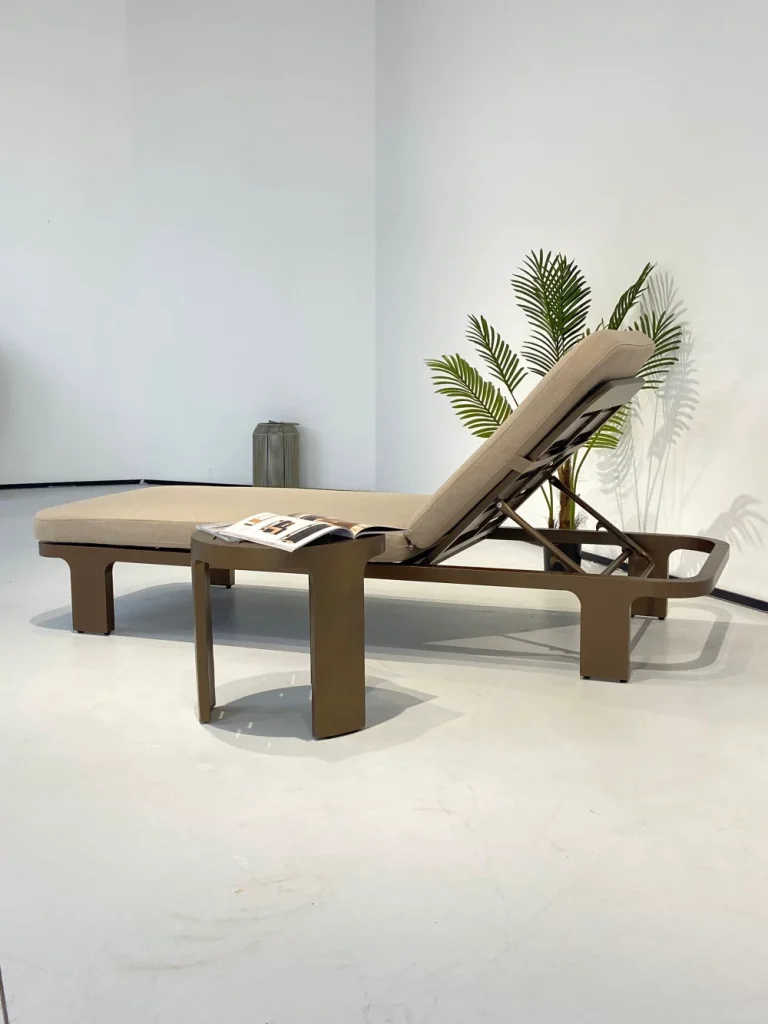
- Modern Minimalist: Clean, crisp lines paired with a sleek, powder-coated aluminum frame or a low-slung seat. For a touch of modernity, consider the 2026 curved organic outdoor lounge chair, which softens the harsh architectural lines of a contemporary space.
- Transitional: A perfect blend of classic and modern. Imagine durable, UV-resistant resin rattan, or sleek silhouettes, seamlessly bridging traditional warmth with modern simplicity.
- Rustic Farmhouse: The warm and textured ambiance features a solid teak outdoor dining table, distressed wood finishes, and plush, comfortable seating.
The Rule of Neutrals
Investing in high-quality, weather-resistant materials to create durable basic furniture is the key to true value.
Professional tip: For outdoor sofa frames and large modular sofa cushions, be sure to choose neutral tones such as gray, beige, charcoal gray, or pure white.
Neutrals won’t clash with changing landscape colors or future home paint updates. Instead of buying trendy, bright furniture frames that age quickly, rely on flexible accent pieces like throw pillows, outdoor rugs, and umbrellas to inject seasonal pops of color. This strategy keeps your backyard aesthetic current without requiring a complete furniture overhaul every few years.
Phase 5: Protection, Maintenance, and Longevity
Investing in high-quality outdoor furniture is only half the battle; protecting that investment ensures your backyard oasis remains pristine for years. Implementing a proactive care routine and smart seasonal storage solutions will maximize the lifespan of your setup.
Off-Season Strategy: Winter Storage & Covers
When the weather turns, left-unprotected furniture takes a beating from UV rays, freezing temperatures, and moisture.
- Breathable Furniture Covers: Choose high-quality, waterproof sofa covers with built-in ventilation holes. These holes allow trapped moisture to escape, preventing mold growth on the sofa frame and cushions.
- Shielding Wood Frames: Hardwoods require specific care during harsh winter months. Utilizing proper winter care tips for outdoor wooden furniture—like elevating the legs off damp ground and applying breathable wraps—will prevent the wood from warping or cracking.
- Indoor Storage: If space permits, store cushions, fabrics, and lightweight frames in the garage, shed, or basement during the off-season to completely eliminate environmental stress.
Routine Care Quick-Guide: Cleaning Protocols
Different weather-resistant materials require specific upkeep to maintain their structural integrity and aesthetic appeal.
| Material Type | Cleaning Frequency | Maintenance Protocol |
| Powder-Coated Aluminum | Every 3–6 months | Wash down with mild soap, warm water, and a soft sponge. Rinse thoroughly with clean water and let air dry. Avoid abrasive scrubbers. |
| Teak & Hardwoods | Annually | Scrub gently with a soft-bristle brush and soapy water to remove dirt. If you prefer the original golden-brown look over a silver patina, apply a specialized teak sealer once a year. |
| Performance Outdoor Fabrics | Spot clean as needed | Blot spills immediately. For deep cleans, spray a solution of mild soap and water, use a soft brush to agitate stains, rinse completely, and air dry. |
By committing to regular outdoor furniture maintenance and deploying heavy-duty covers before the first snow falls, you keep your rust-proof frames and performance fabrics looking brand new season after season.
Frequently Asked Questions (FAQs) About Buying Outdoor Furniture
What outdoor furniture material lasts the longest?
Grade-A teak is the gold standard for longevity. It contains natural oils that repel water, resist rot, and stop warping, allowing it to easily last decades. For metals, powder-coated aluminum takes the crown because it naturally resists rust and holds up against salt air and heavy rain. High-density polyethylene (HDPE) UV-resistant resin wicker is the longest-lasting synthetic option, as it won’t crack or fade under intense sunlight. Investing in these materials ensures your outdoor living space layout stays functional for years. To maximize your investment, following a proper outdoor furniture maintenance routine can easily extend the lifespan of your setup to a decade or more.
How do I choose the right size patio furniture for a small space?
When dealing with tight footprints, prioritize multifunctional and vertical designs.
- Measure the clearance: Leave at least 2.5 to 3 feet of walking space around your furniture to maintain a clear traffic flow.
- Ditch the bulk: Swap a large sectional outdoor sofa for a compact patio conversation set or a slender outdoor dining table.
- Go slender: Choose pieces with narrow armrests and open frames to keep the space feeling airy.
- Use flexible seating: Incorporate nesting tables or a sleek counter stool that can tuck away easily when not in use.
Can outdoor cushions be left out in the rain?
No, it is best not to leave them exposed to heavy downpours. While high-quality performance outdoor fabrics (Sunbrella) and quick-dry foam cushions are designed to shed water and resist mold and mildew, constant saturation slows down drying times. Over time, trapped moisture creates the perfect environment for microbes. If your cushions do get soaked, stand them on their sides with the zipper facing down to speed up drainage.
How do you prevent rust-proof frames from degrading?
Even rust-proof frames require basic care to fight off environmental wear.
- Wash regularly: Clean frames with mild soap and warm water every few months to remove destructive salt air, chlorine, and pollution residues.
- Inspect the finish: Check for deep scratches that penetrate the protective powder coating, exposing the raw metal beneath.
- Touch up chips: Seal any exposed scratches immediately with a matching touch-up paint to block oxygen and moisture.
- Use seasonal storage solutions: Protect your frames with breathable, water-resistant covers during harsh winter months or extended periods of non-use.