
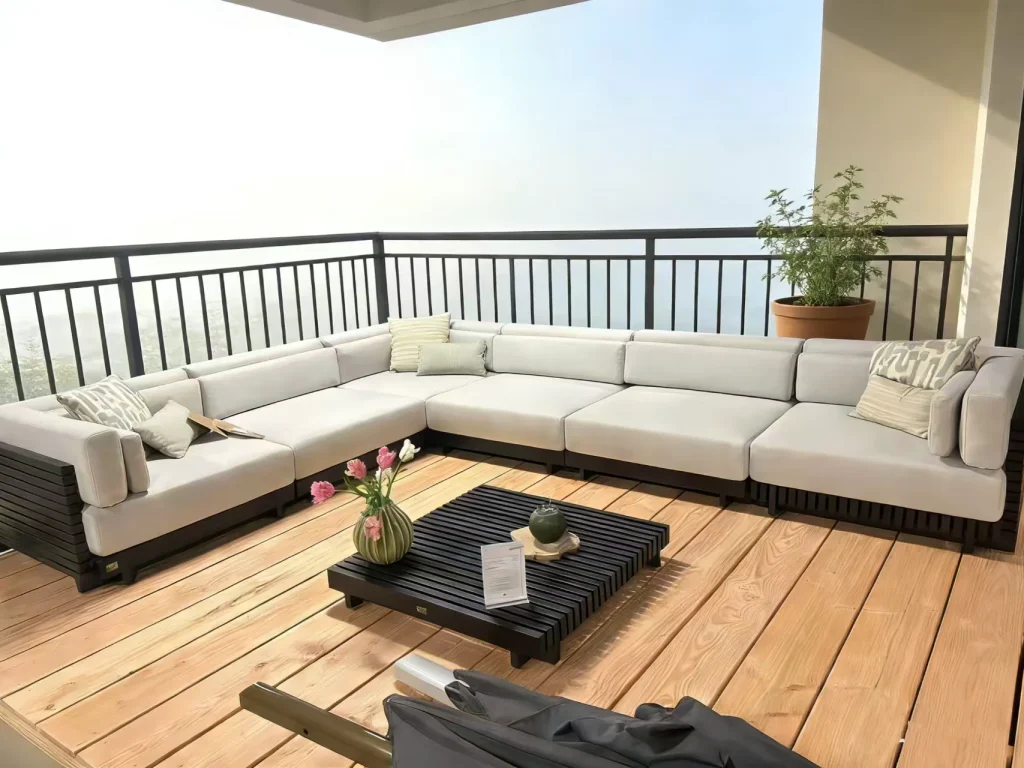
Selecting Your Outdoor Furniture Business Model & Core Target Market
Starting an outdoor furniture business requires a clear roadmap. The global demand for patio setups is booming, but before you buy inventory, you must lock in your operational structure and decide exactly who you are selling to.
Choosing Your Core Business Model
Your business model determines your upfront costs, logistics, and daily operations. I examine the market from three main perspectives, each targeting different operational advantages.
- Retail & E-commerce Showcase: Selling directly to homeowners. This model relies on a visually stunning e-commerce furniture storefront combined with social media marketing to capture residential buyers looking to upgrade their backyards.
- B2B Contract & Commercial Supply: Partnering with hospitality venues, corporate offices, and real estate developers. This involves bulk orders of commercial patio furniture where durability and compliance are the top priorities.
Defining Your Target Demographics
To win in the patio furniture retail business, you cannot be everything to everyone. You need to segment the residential vs. commercial outdoor markets to position your brand effectively.
| Target Market | Key Requirements | Buying Behavior |
| Residential Homeowners | Aesthetics, comfort, weather resistance, and trending styles like resin wicker patio sets. | Emotional purchases, highly influenced by social media and seasonal design trends. |
| Commercial Clients (Hotels, Restaurants) | Maximum durability, safety certifications, and strict B2B furniture distributor requirements. | Bulk purchases based on ROI, warranty terms, and long-term material lifespan. |
Navigating Material Science: Choosing What to Sell in Your Outdoor Furniture Business
When learning how to start an outdoor furniture business, understanding materials science is your biggest competitive advantage. The durability of your inventory directly determines your brand reputation and return rate.
The Critical Importance of Weatherproof Furniture Materials
Unlike indoor furnishings, outdoor pieces must withstand UV radiation, moisture, temperature fluctuations, and pest damage. Selecting the right weatherproof furniture materials ensures that your products retain their structural integrity and aesthetic appeal over time, minimizing warranty claims and maximizing customer satisfaction.
Aluminum
Aluminum is a mainstay of the modern outdoor furniture retail industry. It is lightweight, naturally corrosion-resistant, and highly malleable, making it suitable for a wide variety of design styles.
Resin Wicker & HDPE
Traditional natural rattan deteriorates quickly when left outdoors. High-density polyethylene (HDPE) resin rattan retains the classic woven look while offering exceptional commercial-grade durability.
Natural Premium Woods
For high-end residential and commercial patio furniture guide specifications, premium hardwoods are unmatched.
- Teak: The gold standard. It contains natural oils that repel water, insects, and rot.
- Eucalyptus & Acacia: Excellent mid-tier alternatives that offer great durability at a lower cost structure.
Marine-Grade Polymers & Wrought Iron
- Marine-Grade Polymers (MGP): Originally used in boating, this non-porous material won’t rot, swell, or fade, making it perfect for coastal environments.
- Wrought Iron: Heavy, traditional, and virtually indestructible. It requires a protective finish but thrives in windy environments where lighter furniture might blow away.
Curating the Initial Product Catalog
When building your initial product catalog, strike a balance between high-volume staple items and high-margin bestsellers. I recommend starting with a curated collection of versatile outdoor dining tables and matching chairs. This approach will help minimize your initial capital investment while allowing you to gauge local market preferences before expanding your SKU lineup.
Legal Structuring, Licensing, and Financial Planning
Setting up the foundational legal and financial framework is non-negotiable when launching an outdoor furniture business. Taking these steps.
The Legal Checklist
Before purchasing inventory or opening an e-commerce furniture storefront, several critical legal requirements must be checked off:
- Business Structure Selection: Register your business as a LLC or a corporation to protect your personal assets from business debts.
- Licenses and Permits: Secure a general local business license and a state sales tax permit to legally collect sales tax on retail transactions.
- Resale Certificate for Furniture: Acquire a valid resale certificate for furniture. This essential document allows the purchase of inventory from outdoor furniture wholesale suppliers without paying sales tax upfront, preserving valuable cash flow.
Financial Mapping & Startup Costs
Launching a patio furniture company requires clear budgeting for both upfront capital and ongoing operational expenses.
To maximize initial profit margins for furniture stores, capital should be allocated strategically. For those entering the residential or commercial outdoor furniture market using a lean model, selling outdoor furniture through a drop-shipping model can significantly reduce initial warehousing costs. However, stocking proprietary designs or contract-grade inventory can yield higher long-term profit margins. A cash reserve equivalent to at least three to six months of operating expenses should be maintained to address fluctuations in global shipping costs and changes in seasonal demand.
Sourcing and Supply Chain: Partnering with the Right Manufacturers
Finding the right partners is the backbone of learning how to start an outdoor furniture business. Your brand’s reputation rests entirely on production consistency, structural durability, and timely fulfillment.
Vetting Outdoor Furniture Wholesale Suppliers
When evaluating wholesale suppliers of outdoor furniture, don’t just look at the initial quote. You need to ensure that the manufacturer can meet the demands of large-scale production while also meeting the strict quality standards required for outdoor environments.
- Quality Certifications: Ensure factories comply with international standards.
- Material Verification: Ask for laboratory test reports for UV resistance, salt spray exposure, and weight capacities.
- Production Capacity: Confirm their lead times during peak seasons (typically January through April) to avoid stockouts.
- Compliance: Verify they accept a resale certificate for furniture to streamline tax-exempt bulk purchasing.
The Strategic Edge: Supply Chain Partnership with Hiway Trade
Partnering with Hiway Trade gives your business an immediate competitive advantage. We handle the complexities of manufacturing, quality control, and international compliance so you can focus entirely on scaling your sales channels.
Our production capabilities cover all high-demand categories of outdoor furniture. Whether for modern residential courtyard layouts or commercial hotel space design, our durable lounge chair series features weather-resistant aluminum frames and quick-drying mesh foam. For dining furniture, our premium dining chairs are crafted from high-density polyethylene (HDPE) resin rattan and feature certified teak trim, designed to withstand heavy, continuous use.
Logistics, Warehousing, and Oversized Shipping Management
The Realities of Oversized Freight Logistics
Managing logistics and shipping oversized furniture is one of the biggest operational challenges in the outdoor furniture retail business. Unlike standard e-commerce packages, large items such as multi-piece sofa sets or bulky dining sets cannot be shipped through conventional parcel networks. Therefore, you must rely on less-than-truckload (LTL) carriers.
LTL shipping introduces variables like freight classification, liftgate requirements, and residential delivery fees. To protect your profit margins and avoid transit damage, you need to implement specific protocols:
- Freight Insurance: Always insure high-value shipments to cover potential damage during transit.
- White-Glove Delivery Services: We offer premium delivery services, with our delivery staff unpacking and assembling items such as outdoor sofa sets directly on the customer’s patio.
- Curbside Delivery Clearances: Please ensure that customers understand that standard freight delivery involves placing the pallet at the curb, not carrying it indoors..
Inventory Storage & Order Fulfillment Strategies
Your fulfillment strategy directly impacts your cash flow and scalability. You need a clean, climate-controlled, or well-ventilated warehouse space to prevent moisture buildup on premium fabrics and metals.
B2B & Retail Marketing Playbook for Accelerated Growth
Starting a business is only half the battle; true business growth comes from consistently attracting traffic and closing high-value deals. To successfully run an outdoor furniture business, you need to develop a two-pronged marketing strategy that targets both consumers and commercial clients.
Local and Digital Marketing Tactics
To break into the residential market, your online store must have high visibility and a strong reputation. Before making a purchase, local buyers want to see how high-end products look in real-life settings.
- Immersive Visual Commerce: Use high-definition video walkthroughs and augmented reality (AR) tools on your e-commerce furniture storefront so customers can visualize a luxury outdoor sofa on their own patios.
- Hyper-Local SEO & Google Maps: Optimize your digital presence for “patio furniture near me.” Local intent searches convert at a much higher rate for high-ticket physical goods.
- Social Proof & Lifestyle Marketing: Run targeted Instagram and Pinterest ads featuring carefully curated lifestyle scenes. User-generated content and before-and-after photos of patio renovations can drive exceptionally high engagement rates.
Frequently Asked Questions (FAQs)
What are the average profit margins for an outdoor furniture store?
In the outdoor furniture retail industry, profit margins under the standard retail model typically range from 30% to 50%. If a business shifts to customized B2B contracts and commercial supply models, profit margins may drop to around 20% to 35%, but this is offset by a significant increase in order volume.
To maximize your returns:
- Source Directly: Cut out middleman costs by working with direct manufacturers.
- Optimize Logistics: Group shipments to reduce freight costs per unit.
- Diversify the Mix: Balance lower-margin dropshipping outdoor furniture options with high-margin stocked inventory.
How do I handle shipping and delivery for oversized patio furniture?
Managing logistics and shipping oversized furniture requires a specialized approach since standard parcel carriers won’t accept these bulky items.
- Less-Than-Truckload (LTL) Freight: Use LTL shipping for large individual orders or commercial deliveries. Ensure you offer liftgate services at delivery.
- White-Glove Delivery: For high-end residential customers, partner with local final-mile couriers who handle unboxing, assembly, and packaging disposal.
- Strategic Packaging: Work with suppliers who use drop-test certified, high-density foam packaging to prevent transit damage and costly returns.
What are the best weatherproof materials to focus on for high durability?
Selecting the right weatherproof furniture materials is critical for reducing warranty claims and building brand trust. Focus your initial product catalog on these top performers:
| Material Type | Best For | Key Benefits |
| Powder-Coated Aluminum | Coastal areas & poolside | Rust-proof, lightweight, and extremely low-maintenance. |
| HDPE & Resin Wicker | All-weather residential patios | UV-resistant, won’t fade or crack, and mimics natural textures. |
| Teak & Polywood | High-end luxury markets | Natural oils in teak repel moisture, while polywood offers eco-friendly durability. |