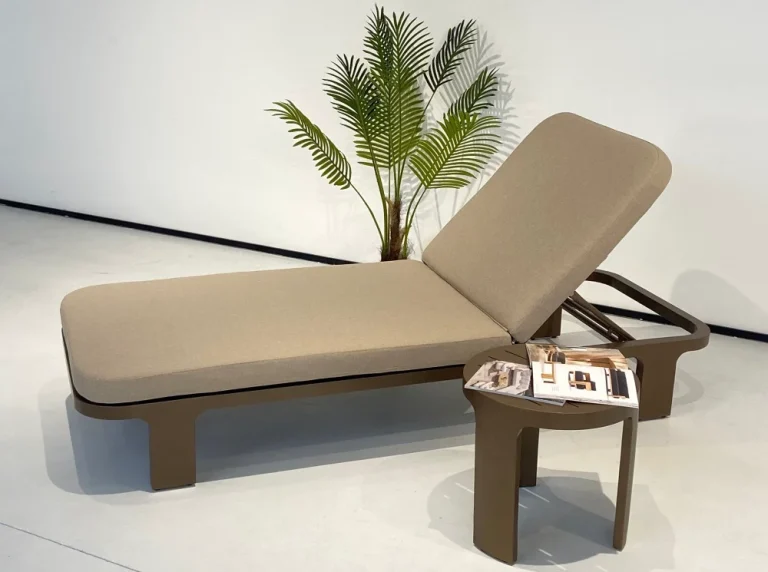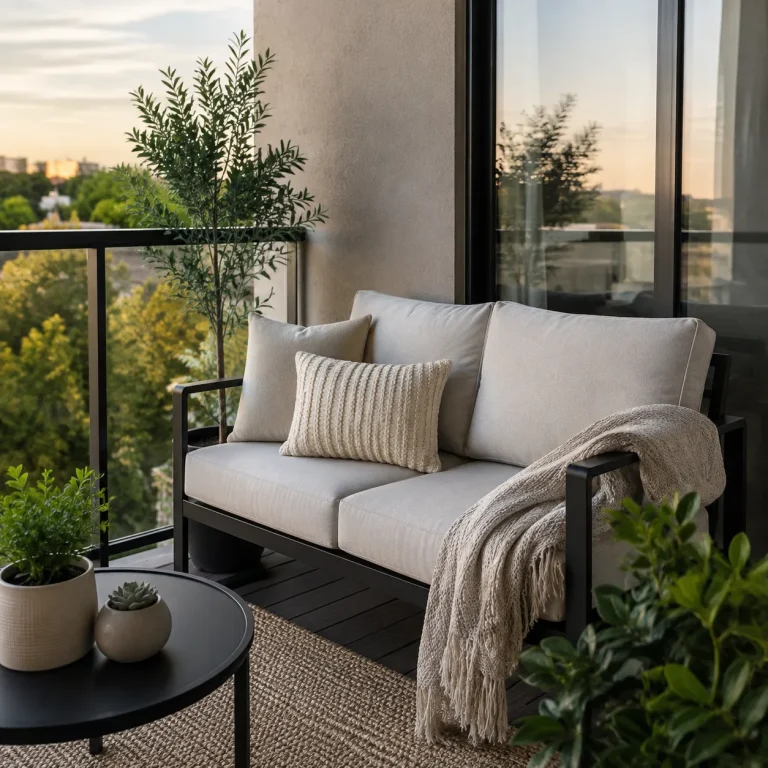
Choosing the right frame for your patio or pool deck is more than just a style choice; it’s a significant investment that lasts for years. If you’re still torn between powder-coated aluminum and stainless steel outdoor furniture, you know they represent the absolute gold standard for luxury backyard design.
But which one actually survives your specific environment?
One option offers rust-resistant outdoor furniture that you can easily rearrange; another provides sturdy, wind-resistant furniture anchors to withstand the fierce storms of coastal areas. Choosing the wrong option means enduring scorching chairs in July or watching your expensive investment leave unsightly tea stains by the pool.
At Hiway, we engineer both materials to commercial-grade standards, so we know exactly where each metal shines—and where it fails.
Powder-Coated Aluminum Outdoor Furniture
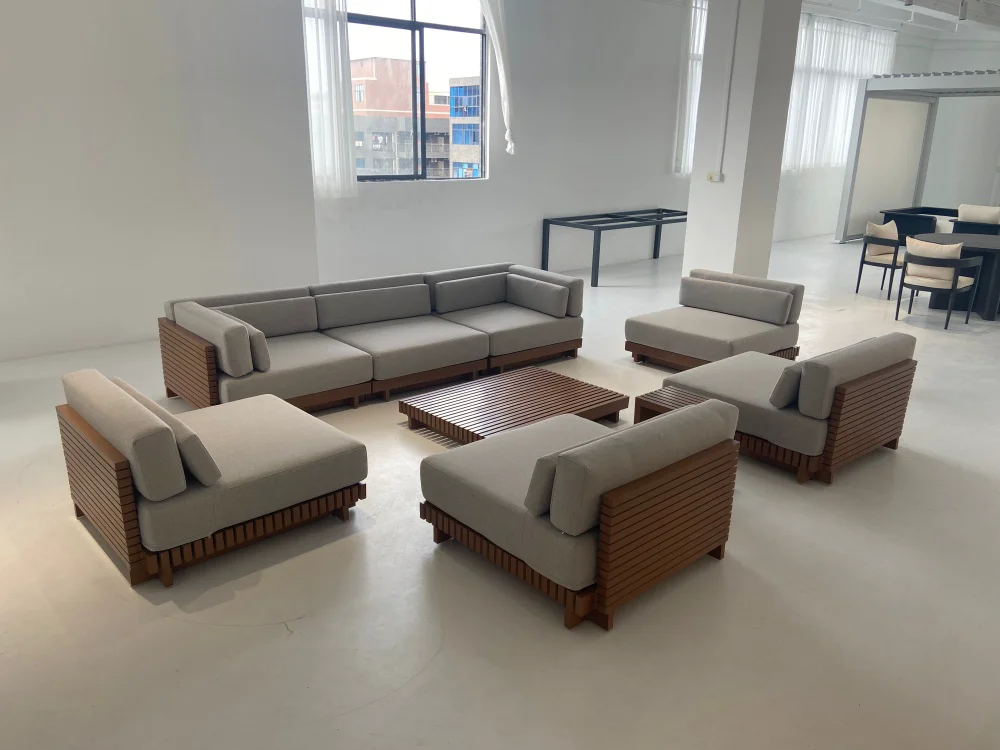
When choosing high-quality, weather-resistant outdoor seating, powder-coated aluminum is a top choice. It perfectly combines modern style with robust durability, making it an essential option for luxury backyard designs and commercial hotel outdoor furniture.
What is Powder-Coated Aluminum?
Unlike traditional liquid coatings, powder coating involves spraying dry, charged powder onto an aluminum frame. The metal is then cured at high temperatures, causing the powder to melt and fuse to form a continuous, hard coating. This process creates a thick, UV-resistant powder coating that protects the underlying metal from moisture, oxygen, and strong sunlight.
The Standout Advantages
- Natural Rust Immunity: Aluminum naturally forms a protective oxide film when exposed to air. Because it contains no iron, it has excellent corrosion resistance, making it an ideal choice for rust-proof outdoor furniture.
- Lightweight Advantage: Whether you choose tubular or cast aluminum, this metal is very easy to move. You can easily rearrange high-end outdoor dining tables and chairs, or pack them away for the winter without hurting your back.
- Design Versatility: Powder coating processes can achieve a rich variety of colors, textures, and surface effects. It can mimic matte wrought iron, glossy modern metallic colors, or soft modern neutral tones to match any design theme.
The Trade-offs & Limitations
- Wind Susceptibility: Because aluminum is lightweight, freestanding tables and chairs may move or tip over in storms or on windy rooftops.
- Structural Denting: Although the hollow tubular aluminum frame is very durable, unlike denser metals, it may dent if subjected to a heavy impact.
How Hiway Elevates Aluminum
We don’t settle for ordinary patio furniture. Hiway uses a thick-gauge reinforced aluminum frame with a premium multi-layer UV-resistant powder coating. We employ a special pretreatment process on the metal to ensure maximum coating adhesion. This effectively prevents common problems in mass-market furniture such as cracking, scratches, and fading, creating durable, commercial-grade outdoor metal furniture.
Deep Dive: Stainless Steel Outdoor Furniture
What Makes Steel “Stainless”?
Stainless steel is not ordinary iron, but an alloy rich in chromium and nickel. Its exceptional corrosion resistance stems from a layer of chromium oxide on the metal surface that is invisible to the naked eye and has self-healing properties. This microscopic protective layer prevents oxygen and moisture from penetrating the metal, forming a highly durable, rust-resistant base that remains intact even in harsh outdoor environments. Our high-end collections prioritize marine-grade stainless steel to ensure your furniture remains structurally sound in a variety of harsh conditions.
The Standout Advantages
- Ultimate Structural Strength: Stainless steel has unparalleled load-bearing capacity. It will not deform, bend, or sag over time, making it an ideal frame material for high-end outdoor dining tables and chairs and heavy-duty applications.
- Wind-Resistant Anchoring: If you are setting up a space in an open area, this is your best choice. Its sturdy and heavy-duty structure has natural wind-resistant anchoring power, requiring no additional counterweight.
- Architectural Aesthetic: It presents a stylish and modern look. Clean lines and a metallic sheen add a touch of luxury and high-end design to the modern terrace and business hotel layout.
The Trade-offs & Limitations
- The Weight Factor: Because it is heavy, rearranging a layout or moving a large sectional requires some serious muscle.
- Thermal Absorption: Metal is affected by the environment. Due to its high thermal conductivity, a metal frame can get very hot in the afternoon sun, so a high-quality seat cushion is needed to ensure a comfortable ride.
- The Tea-Staining Risk: Although this metal has a strong resistance to rust, if it is not cleaned regularly and exposed to salt spray or chlorine, the metal surface will develop an appearance of discoloration known as tea stains.
How Hiway Elevates Stainless Steel
We never compromise on material quality. Hiway uses precision-machined 304 stainless steel and marine-grade materials, treated with a special protective coating to completely eliminate the risk of tea stains. We combine these ultra-strong frames with premium weather-resistant fabrics. Whether you desire a striking architectural masterpiece or a set of sturdy and durable casual furniture, our stainless steel outdoor chairs and high-end tables combine commercial-grade durability with sophisticated home décor.
Head-to-Head Comparison Matrix: Powder Coated Aluminum vs Stainless Steel Outdoor Furniture
Choosing between powder-coated aluminum and stainless steel outdoor furniture hinges on understanding how each material performs in various weather conditions, under weight, and over long-term use. Both metals offer excellent outdoor durability, but they are suited to different outdoor environments.
The comparison matrix below details the advantages and disadvantages of these two materials in key performance indicators.
| Performance Category | Powder Coated Aluminum | Stainless Steel |
| Weight & Portability | Lightweight and easy to rearrange; ideal for flexible layouts. | Heavyweight; stays anchored but is harder to move around. |
| Rust & Corrosion Resistance | Naturally rustproof; excels as low-maintenance coastal patio furniture. | Highly resistant; requires 316 marine-grade steel to completely prevent coastal tea-staining. |
| Maintenance Frequency | Very low; occasional soap and water wipe-down. | Low to moderate; requires periodic polishing to maintain its luster. |
| Heat Retention (Sun) | Moderate thermal conductivity; cools down quickly in the shade. | High heat retention; can get uncomfortably hot under direct, intense sunlight. |
| Wind Resistance & Stability | Low to moderate; tubular frames may require windguards or storage during storms. | High; heavy frames naturally resist strong winds without tipping over. |
| Lifespan & Investment Level | 15+ years; highly cost-effective premium option. | 25+ years; higher initial investment for lifetime durability. |
Weight & Portability
Aluminum is lightweight, making tubular aluminum frames more popular than cast aluminum frames for multipurpose patios that require frequent rearrangement. Stainless steel is denser and heavier. While it offers excellent stability, it is far less portable than aluminum and is better suited for permanent, fixed outdoor installations.
Rust & Corrosion Resistance (Coastal vs. Inland)
Aluminum forms a natural oxide layer that prevents rusting, making it ideal for coastal patio furniture. Stainless steel has excellent corrosion resistance, but in high-salinity coastal areas, standard 304 stainless steel, whether untreated or upgraded to marine-grade 316, may develop a “tea stain” on the surface.
Maintenance Frequency
A UV-resistant powder coat creates a protective barrier on aluminum that requires almost zero upkeep—just a quick rinse. Stainless steel can easily maintain its structural integrity, but it requires regular specialized wiping to remove stains, fingerprints, and environmental residues, thus preserving its high-end architectural shine.
Heat Retention under Direct Sunlight
The thermal conductivity of metal furniture impacts your comfort. Aluminum absorbs less heat and dissipates it quickly in the shade. Stainless steel retains heat for a long time under direct sunlight, meaning that these frames usually require a high-quality seat cushion to ensure comfortable seating even during the hottest part of the afternoon.
Wind Resistance & Stability
For high-wind environments such as rooftops, balconies, or open-air platforms, stainless steel is an excellent choice for heavy-duty furniture due to its superior wind resistance. Aluminum frames, especially lightweight tubular designs, are prone to shifting or tipping over in strong seasonal storms if not properly secured.
Average Lifespan & Investment Level
Both materials offer exceptional long-term value for luxury backyard designs. Powder-coated aluminum is more affordable and ideal for creating high-quality, weather-resistant outdoor seating that can last for decades. While stainless steel requires a higher initial investment, it is a durable and near-indestructible choice for commercial hotels and upscale residential spaces..
Climate Matchmaking: Which Metal Belongs in Your Backyard?
Choosing between powder-coated aluminum and stainless steel outdoor furniture is not just about appearance; more importantly, it’s about matching the material to the local environment. Different climatic conditions will have different effects on the metal. Here’s how to choose the right frame based on your backyard’s specific circumstances.
The Coastal & Poolside Haven
Salt spray and chlorinated pool splashes are extremely corrosive to low-grade metals, making corrosion resistance paramount. In these humid, high-salt environments, untreated low-grade steel can rust within months.
- The Winner: Powder coated aluminum or marine-grade stainless steel.
- Why it works: Aluminum naturally forms an oxide layer to prevent deep-seated corrosion, while a high-quality UV-resistant powder coating protects it from salt erosion. If you prefer the smooth look of marine-grade steel, you must upgrade to marine-grade stainless steel to avoid surface imperfections.
- Design Tip: When setting up your deck, check out our insights on how to choose outdoor furniture for coastal areas to ensure long-term protection against salty breezes.
The High-Wind Rooftop or Terrace
If your outdoor space is a raised patio, a high-rise balcony, or an open hillside layout, then wind resistance becomes your biggest logistical challenge. Lightweight furniture can easily become a dangerous aerial obstacle during a storm.
- The Winner: Stainless steel outdoor furniture.
- Why it works: This is where the advantages of heavy-duty wind-resistant furniture become apparent. The stainless steel frame has sufficient structural density to remain firmly fixed to the ground even in sudden strong winds, preventing it from tipping over, sliding, or being blown into the pool.
The Scorching Desert Oasis
In areas with intense direct sunlight and summer temperatures reaching triple digits, the thermal conductivity of metal furniture determines the actual effectiveness of your outdoor furniture set.
- The Winner: Powder coated aluminum.
- Why it works: Compared to high-density steel, aluminum has a lower heat capacity, meaning it dissipates heat faster and feels noticeably cooler to the touch. When paired with high-end outdoor dining tables and chairs featuring thick fabric cushions, the aluminum tabletop effectively prevents burns to your skin when you sit down on a hot afternoon.
The Four-Season Backyard
If you live in an area that experiences heavy spring rains, scorching summer sun, falling autumn leaves, and snowy winters, then you need an outdoor vehicle that can adapt to all kinds of weather conditions throughout the year.
- The Winner: Cable ties (aluminum for easy storage; stainless steel for permanent fixing).
- Why it works: Both materials are good at handling a variety of weather conditions, but the final choice depends on your lifestyle.
Climate Selection Matrix:
- Frequent rearrangement or winter storage? Choose lightweight powder coated aluminum.
- Set-it-and-forget-it permanent setups? Choose heavy-duty stainless steel.
For a deeper understanding of how to optimize your layout based on local climate and space constraints, you can read our comprehensive outdoor furniture buying guide to select the furniture best suited for your home.
Maintenance Guide for Long-Term Value
Investing in high-end outdoor furniture means knowing how to protect that investment. Even the most durable, rust-resistant patio furniture requires basic maintenance to withstand the elements and maintain its premium look. Here are some ways to keep your luxury outdoor furniture in perfect condition year after year.
Caring for Powder-Coated Surfaces
Powder-coated aluminum has extremely low maintenance costs, but the accumulation of environmental factors will cause its surface to lose its luster over time.
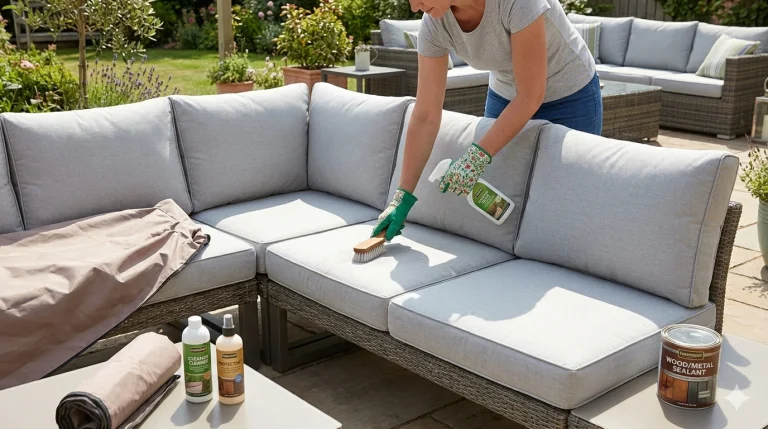
- The Routine: Clean the frames with a soft cloth, warm water, and mild non-detergent soap. Avoid using abrasive scouring pads.
- The Rinse: Rinse thoroughly with clean water to remove soap residue. Do not use a pressure washer, as this may damage the coating.
- The Fix: If deep scratches occur and expose raw aluminum, use a matching touch-up paint immediately to seal out moisture.
Preserving Stainless Steel
Marine-grade stainless steel has excellent corrosion resistance, but it still needs to be cleaned regularly to prevent tea stains from appearing on the surface, especially near seawater or chlorinated swimming pools.
- The Routine: Wipe the surface with water and a microfiber cloth. For stubborn stains, use a special stainless steel cleaner.
- The Rule: When wiping or polishing, always follow the direction of the wood grain; never go against the grain or use a circular motion.
- What to Avoid: Never use steel wool, bleach, or strong abrasives. These substances will damage the protective chromium oxide layer and cause rust to form.
The Cushion Factor
Even with the strongest metal frames, comfort depends on the quality of the seat cushion. For true durability, the fabric and foam need to be treated with the same care as metal components.
- Moisture Management: After a heavy rain, stand the cushions upright with the edges facing up to speed up the drainage and drying process.
- Storage Habits: Metal frames perform well during the off-season, but in the harsh winter, store the cushions in a dry, covered deck case or garage.
- Pro Tip: If you’re looking to expand your outdoor furniture layout or need some inspiration on how to create a durable outdoor relaxation area, check out our comprehensive comparison guide to rattan and aluminum outdoor furniture for expert layout advice.
Frequently Asked Questions (FAQs)
Is powder coated aluminum or stainless steel better for coastal patio sets?
For coastal patio sets, powder-coated aluminum is generally the superior choice for most homeowners. Aluminum naturally forms an oxide layer that prevents deep structural rusting, and our premium UV-resistant powder coat adds a tough shield against salty air. While marine-grade stainless steel offers incredible durability, it requires frequent rinsing to prevent cosmetic surface blemishes from salt spray. If you want a low-maintenance, rustproof setup near the ocean, go with aluminum.
Does stainless steel outdoor furniture get too hot in the sun?
Yes, stainless steel has high thermal conductivity, meaning it absorbs and holds heat rapidly under direct sunlight. In hot climates, bare steel frames can become uncomfortable to touch. To combat this, we design our high-end steel pieces to place metal elements out of direct skin contact, or we pair them with thick, high-performance cushions. If you have an unshaded backyard in a hot region, powder-coated aluminum stays significantly cooler.
How do you prevent rustproof patio furniture from blowing away in high winds?
Heavyweight wind-resistant furniture is the best defense against strong gusts. Stainless steel is inherently heavy and stays firmly anchored on exposed terraces and high-wind rooftops. If you prefer lightweight aluminum, look for heavier cast aluminum frames rather than thin tubular options, or secure the furniture using weighted bases, structural anchors, or by placing the pieces against protective windbreaks.
What is the lifespan of premium marine-grade stainless steel vs tubular vs cast aluminum frames?
Frame type and material grades dictate the ultimate lifespan of your investment:
- Marine-Grade Stainless Steel (304/316): Can last 20+ years with basic regular cleaning, making it the top choice for commercial hospitality outdoor furniture.
- Cast Aluminum: Exceptional longevity, easily lasting 15 to 20 years due to its solid, thick construction.
- Tubular Aluminum: Highly portable and lasts 10 to 15 years, provided the hollow frame utilizes a quality protective finish.
Investing in a premium lounge chair built with these high-grade metals ensures your luxury backyard design withstands the elements for a generation.