Outdoor Furniture Wholesale Price Guide: What Affects Factory Pricing?
Knowing how outdoor furniture wholesale prices are built changes the way you negotiate. Every quote from a Chinese factory reflects measurable inputs: aluminum weight, weaving hours, fabric grade, and order size. Buyers who understand these inputs evaluate quotes in minutes instead of emailing back and forth for weeks.
This guide breaks down the price structure of Chinese outdoor furniture manufacturing. You will find realistic FOB price ranges by product type, a full cost breakdown, and the eight factors that move factory quotes up or down. Use it as a benchmark before your next sourcing round, and pair it with our China sourcing guide for supplier selection.
Key Takeaways
- First, raw materials account for roughly 50 to 60 percent of the factory price.
- Additionally, specification choices such as tube thickness and fabric grade swing quotes by 20 to 40 percent.
- Moreover, order quantity unlocks step discounts at each MOQ tier.
- Finally, itemized quotations expose markups and strengthen your negotiating position.
What Do Outdoor Furniture Products Cost at Wholesale?
The ranges below reflect typical FOB quotes from Chinese factories for standard commercial-grade specifications in 2026. Prices assume aluminum frames with PE rattan or fabric, powder coated finishes, and standard cushions. Obviously, premium specifications sit above these ranges and basic promotional lines below.
| Product Type | Typical FOB Range (USD) | Units per 40HQ (approx.) |
|---|---|---|
| Aluminum dining chair | $18 – $45 | 450 – 550 pcs |
| PE rattan sectional sofa set (4 pcs) | $380 – $850 | 25 – 35 sets |
| Sun lounger with cushion | $55 – $140 | 180 – 220 pcs |
| Outdoor dining table (aluminum) | $70 – $260 | 150 – 200 pcs |
| Round daybed with canopy | $220 – $520 | 60 – 80 pcs |
| 6-seat dining set (table + chairs) | $260 – $620 | 55 – 70 sets |
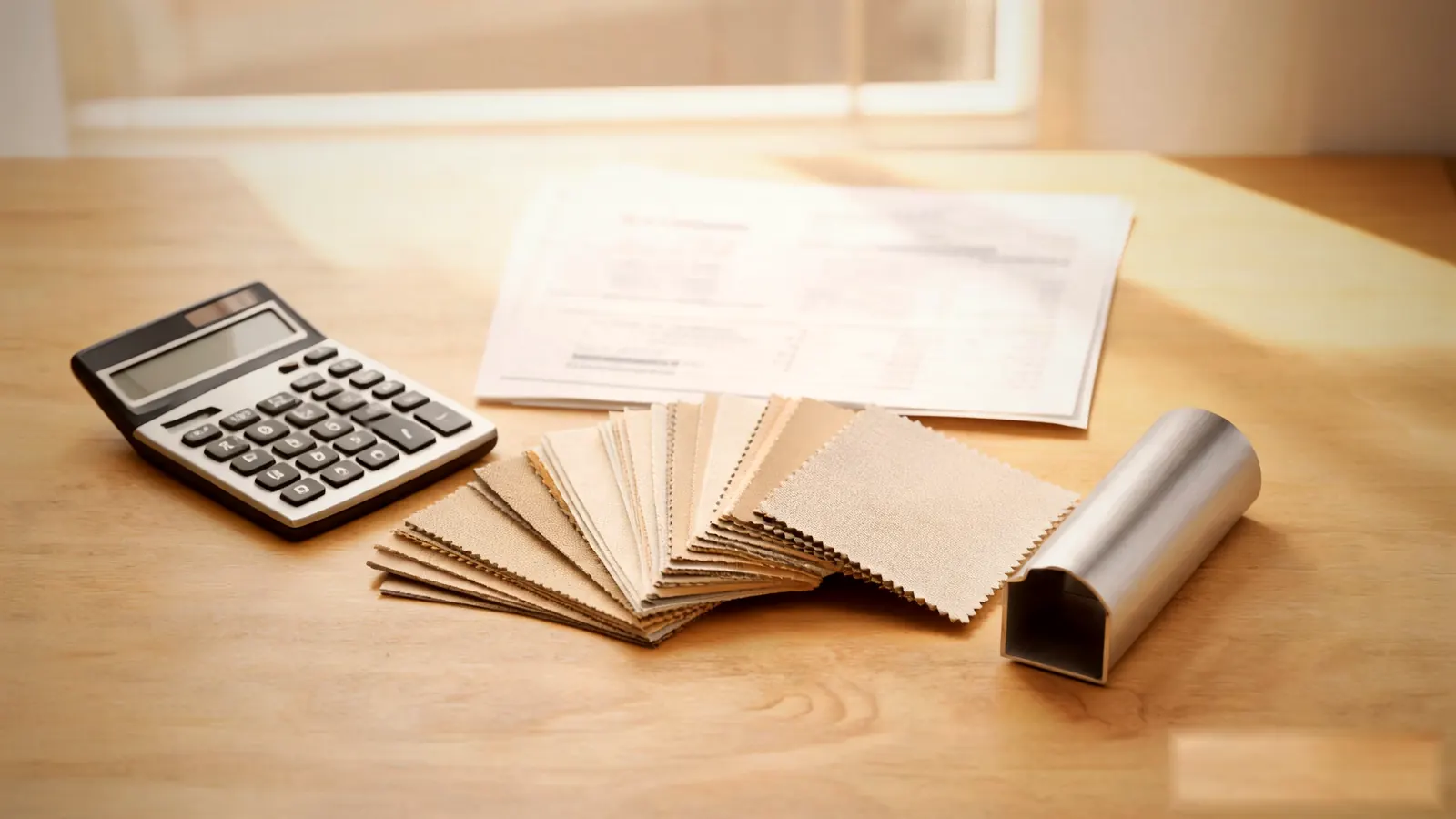
Container capacity varies with packing method and disassembly design. Therefore, ask suppliers for loading plans rather than relying on generic numbers. For minimum order requirements by product, see our outdoor furniture MOQ guide.
Eight Factors That Shape Factory Pricing
Factory quotes move for eight repeatable reasons. Understanding each one turns price conversations into specification conversations.
Raw Material Costs
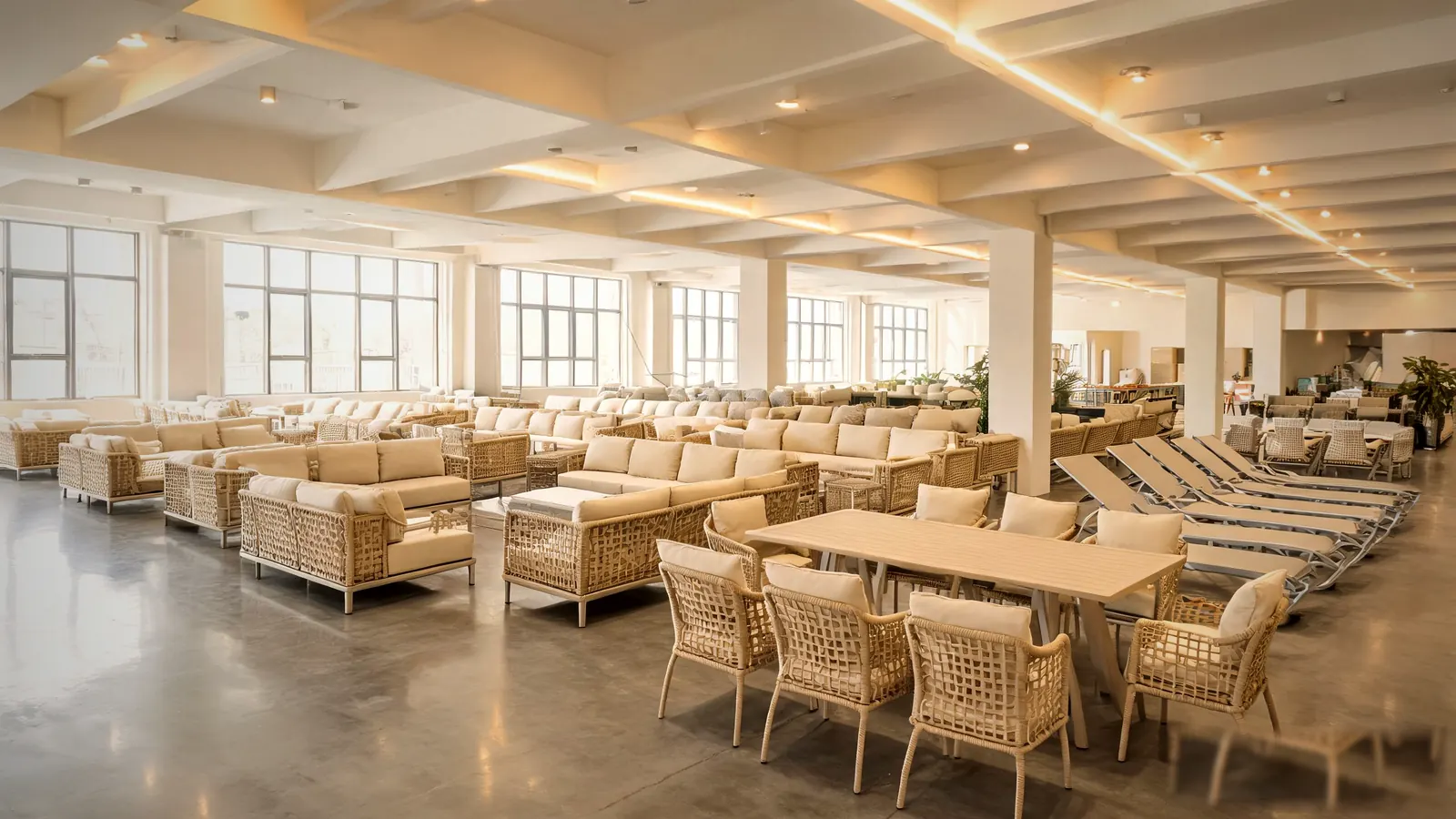
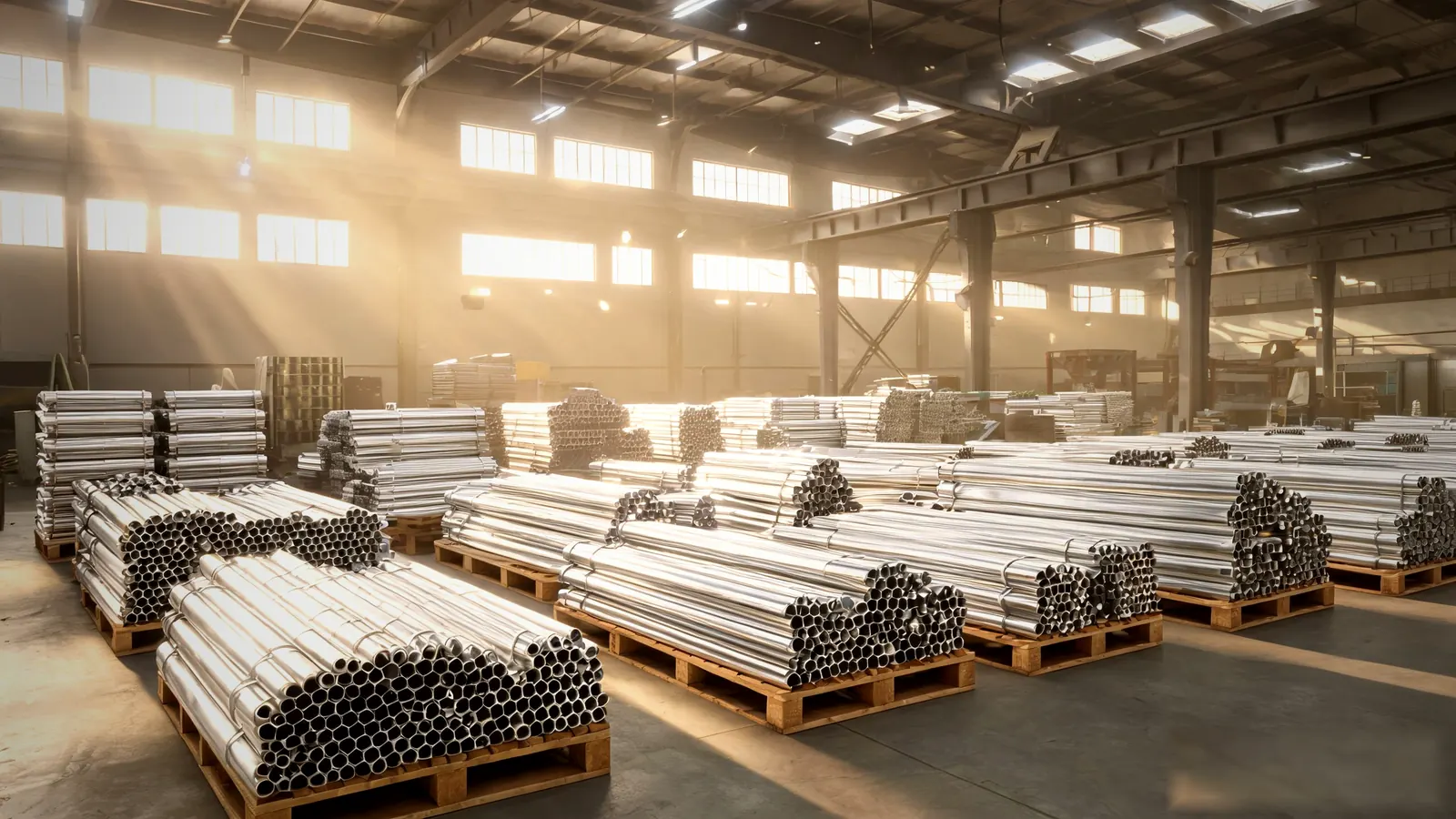
Aluminum, steel, PE wicker resin, and fabric account for half or more of the factory price. Aluminum trades on global exchanges, so frame-heavy products track the metal market closely. Consequently, quotes older than three months may no longer reflect current material costs. Ask suppliers how long their quotes remain valid.
Specifications and Material Grade
Two chairs with identical designs can differ 30% in price. Frame thickness, wicker profile, and weaving density drive the gap. For example, 1.2mm aluminum tubing costs visibly less than 1.5mm, yet bends under commercial use. Our frame and coating comparison explains how finish quality separates durable frames from short-lived ones.
Labor and Craftsmanship
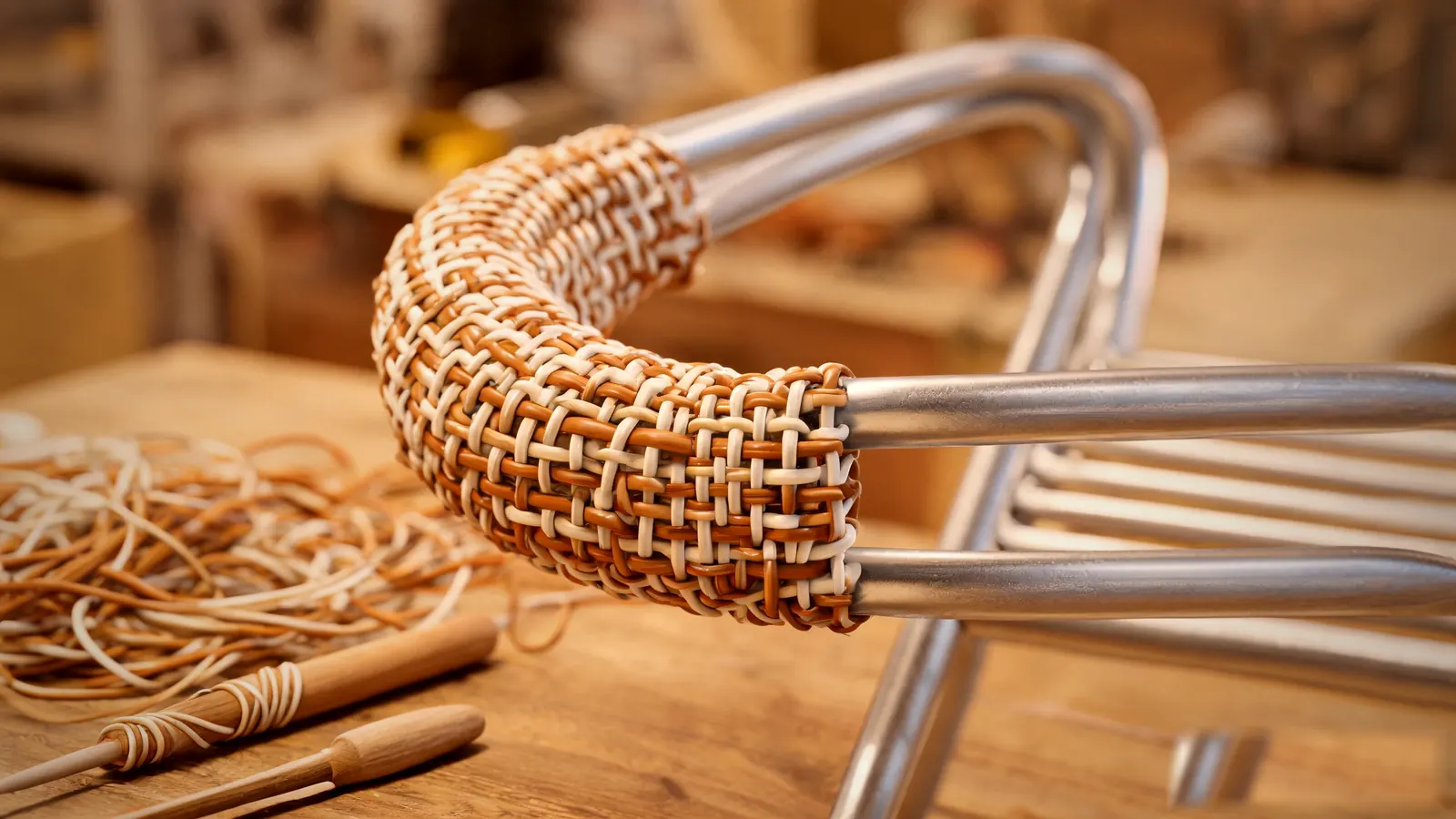
Hand-woven rattan is skilled, slow work. A single sectional sofa can absorb eight to twelve weaving hours, therefore labor weighs heavily in wicker products. Machine-assisted flat weaves cost less than complex round weaves with tight patterns. Designs that simplify weaving cut price without touching materials.
Order Quantity
Factories publish MOQs and step prices: at 100 units the price holds, at 300 units it drops, at 500 units it drops again. The logic is simple, because larger runs spread tooling, setup, and material buying across more units. Nevertheless, match order size to sales velocity rather than chasing the deepest discount.
Cushion Fabric and Foam
Fabric choice moves the price of cushioned furniture by 10% to 25%. Standard polyester and olefin fabrics keep costs low, while solution-dyed acrylic brands such as Sunbrella command a premium. Foam density matters equally: 24D foam resists commercial use better than soft 18D fill. Additionally, quick-dry foam for hospitality projects adds cost but extends cushion life outdoors.
Powder Coating and Finish
Premium polyester powder coating with proper pretreatment resists salt spray and UV exposure for years. Budget finishes skip pretreatment stages and fade or chip within seasons. The coating difference adds a few dollars per frame, however it determines warranty exposure and return rates. Buyers supplying coastal markets should never economize here.
Packaging Requirements
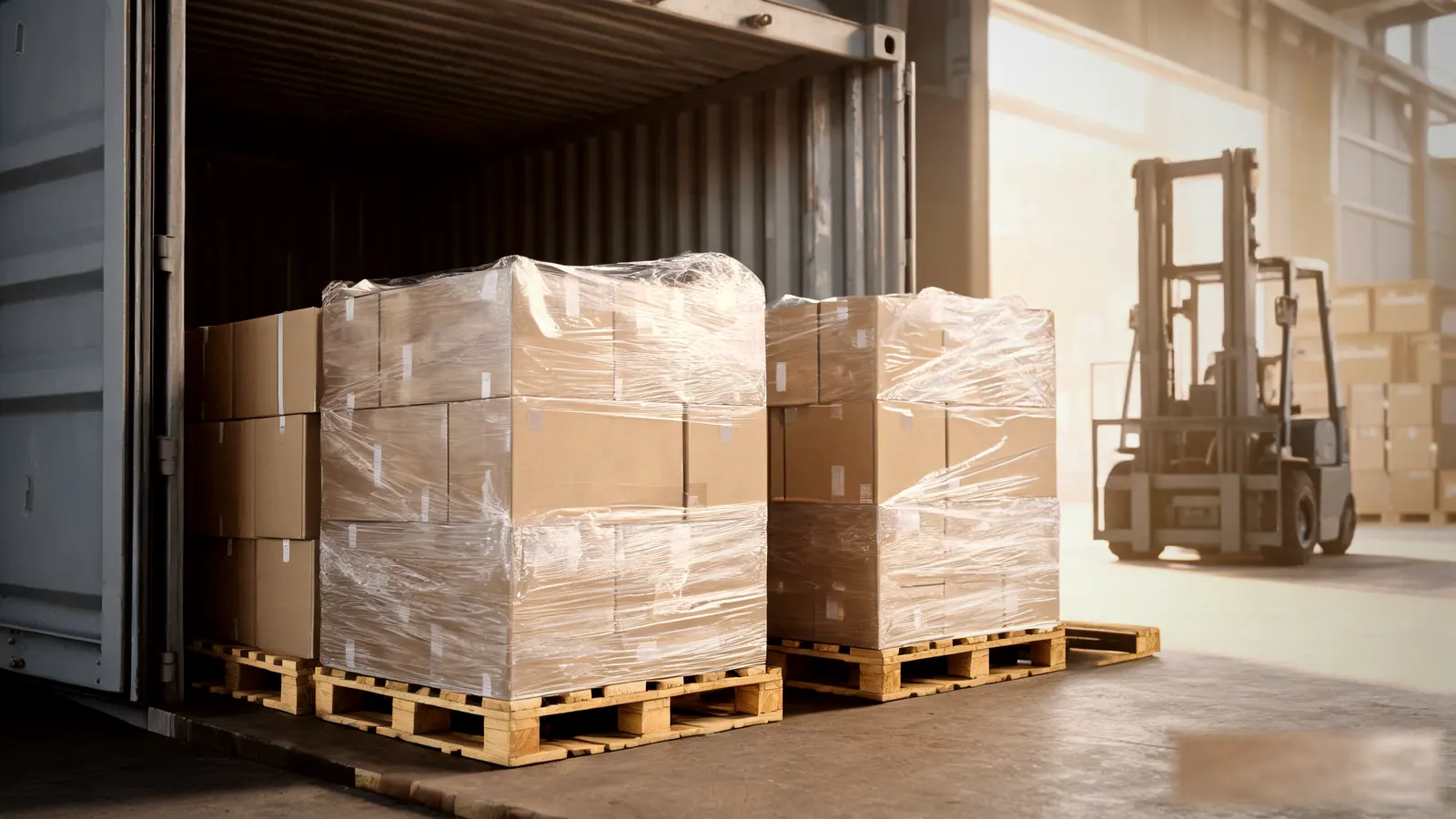
Bulk packing in stacked cartons is the cheapest option. Retail-ready color boxes, mail-order packaging, and foam protection add $3 to $10 per unit depending on complexity. E-commerce sellers need drop-test packaging, which costs more yet reduces damage claims. Therefore, specify packaging at quotation stage instead of after production.
Market and Currency Movements
Exchange rates, aluminum indices, and ocean freight cycles all pass into quotes. A weaker renminbi makes Chinese exports cheaper, while resin and metal rallies push prices up. Furthermore, peak-season freight surcharges inflate CIF and DDP quotes even when FOB prices hold. Track these movements to time large orders.
Sample Cost Breakdown: Where Your Money Goes
Below is a representative cost structure for a mid-range aluminum and PE rattan dining chair, based on typical Chinese factory economics.
| Cost Component | Share of FOB Price |
|---|---|
| Raw materials (frame, wicker, fabric, foam) | 50 – 60% |
| Direct labor (welding, weaving, assembly) | 12 – 18% |
| Factory overhead and equipment | 8 – 12% |
| Packaging | 4 – 8% |
| Quality control and administration | 3 – 5% |
| Factory profit | 8 – 15% |
Accordingly, a quote far below these ranges signals material downgrades rather than miraculous efficiency. Ask which specification changed before you celebrate the saving. Legitimate savings come from volume, not from invisible corners.
Factory Direct vs Trading Company Pricing
Factories sell their own production at the source price, while trading companies buy from factories and add a margin of 5% to 15%. For single-product container orders, buying direct usually wins on price and technical communication. You speak to the people who weld, weave, and pack your goods.
Trading companies earn their margin on mixed orders. They consolidate chairs from one factory, tables from another, and umbrellas from a third into one container, handling all coordination. Additionally, established traders smooth quality control and communication across suppliers. If your assortment is broad, the net landed cost can favor a good trading partner. Verify who actually owns production before signing, using our supplier verification checklist.
How to Negotiate Better Wholesale Prices
Negotiation works best as a structured conversation rather than a price war. Apply these tactics in your next quotation round.
- First, send exact specifications: tube thickness, wicker profile, fabric weight, and packaging. Precise RFQs receive comparable quotes instead of vague ranges.
- Next, request itemized quotations separating frame, cushion, and packing costs, which exposes where the money goes.
- Then, quote two or three factories against each other. Competition disciplines pricing faster than any single conversation.
- Additionally, offer volume commitments across several orders rather than demanding the 500-unit price on a first 100-unit trial.
- Furthermore, stay flexible on delivery windows, because factories discount for filling gaps between peak-season orders.
- Finally, discuss annual agreements once quality proves out. Long-term partners reserve capacity and hold prices through material swings.
Frequently Asked Questions
Wholesale Price Range FAQs
What is a realistic wholesale price for a PE rattan sofa set?
A four-piece PE rattan sectional set typically quotes between $380 and $850 FOB depending on frame thickness, wicker profile, and cushion grade. Round wicker and solution-dyed acrylic fabric push quotes toward the top of the range. Therefore, compare sets at identical specifications, not identical photos.
Why do factories quote different prices for the same design?
Quotes diverge because of material grades, weaving density, labor standards, and overhead structure. One factory may use 1.5mm tubing while another uses 1.2mm on the same-looking chair. Additionally, export experience and quality control cost money that cheaper quotes quietly remove. Itemized quotations reveal these differences quickly.
How much below retail are wholesale furniture prices?
Wholesale FOB prices usually land 40% to 60% below consumer retail for comparable designs. Retailers typically mark up landed cost by a factor of two to two and a half. However, hospitality-grade specifications cost more than residential lines, so compare within the same quality tier.
Saving Money FAQs
How can I lower my outdoor furniture wholesale price?
Raise order quantity, standardize frames across collections, and relax delivery deadlines where possible. Additionally, request itemized quotes and challenge individual line items rather than the total. Finally, consolidate SKUs into fewer production runs, because setup costs shrink as variety decreases.
Do bigger orders always get better prices?
Generally yes, because fixed costs spread across more units. However, discounts flatten once a factory hits material batch and capacity breakpoints. Beyond that point, deeper price cuts usually mean specification changes. Balance the discount curve against your inventory carrying cost, and stop where marginal savings no longer beat storage expenses.
Is it cheaper to buy from a factory or a trading company?
For concentrated orders of one product family, factories usually win on price and technical depth. Trading companies add a 5% to 15% margin, yet they consolidate mixed containers and manage multiple suppliers for you. Consequently, broad assortments can reach lower total landed cost through a capable trader. Compare the full landed cost, not the unit price alone.
Get a Factory-Direct Wholesale Quote
Hiway Trade manufactures outdoor furniture at source prices with transparent cost breakdowns. Send your specifications and receive itemized FOB quotes within 48 hours.
Request a Wholesale Quote