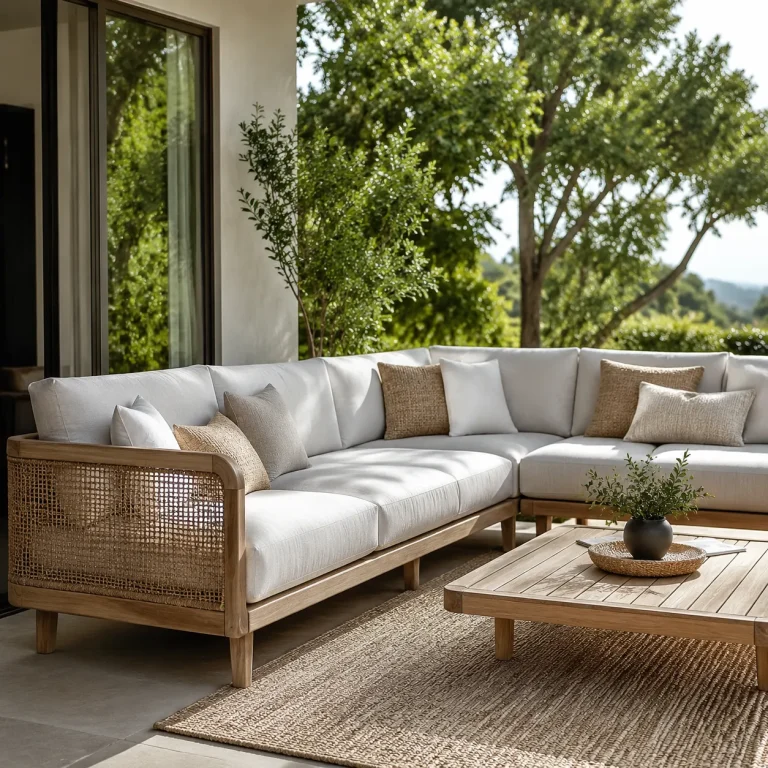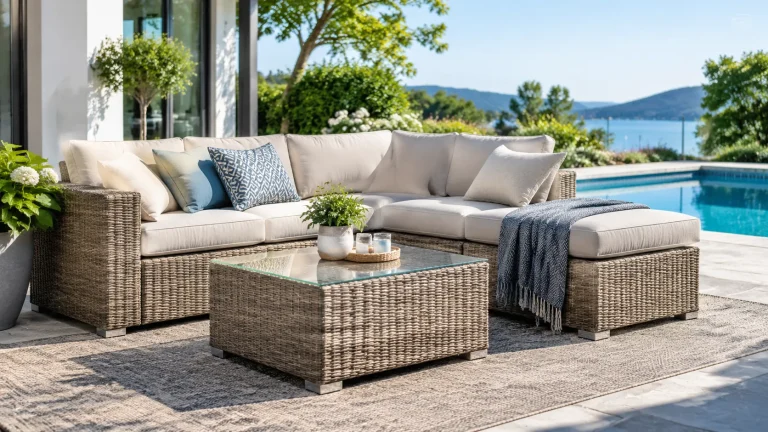

Market Overview: The Business Opportunity in Wholesale Patio Umbrellas
The global outdoor furniture and shade market continues its rapid expansion, turning commercial and residential shading into a multi-billion-dollar industry. We specialize in manufacturing Wholesale Patio Umbrellas engineered for durability, aesthetics, and high-volume commercial turnover.
For B2B importers, supply distributors, and contract procurement specialists, sourcing direct from the factory floor unlocks massive margin opportunities. Expanding outdoor living trends, combined with strict commercial outdoor dining mandates across the globe, make premium parasols one of the fastest-moving categories in outdoor shade solutions.
Global Demand Trends for Outdoor Parasols
Shifts in urban architecture, hospitality models, and consumer outdoor spending drive steady global consumption of heavy-duty umbrellas:
- Hospitality & Commercial Dining Expansion: Restaurants, beachfront resorts, and rooftop venues require contract-grade commercial patio umbrella installations to monetize exterior seating square footage across all seasons.
- Climate & Sun Safety Awareness: Intensified UV indexes across North America, Europe, and Australia have transformed shading from an aesthetic choice into an essential protective amenity.
- Architectural Integration: Demand has shifted from flimsy seasonal items toward architecturally integrated outdoor shade systems featuring clean lines, corrosion-resistant hardware, and high-performance textiles.
- Year-Round Procurement: B2B contracts no longer peak solely in spring. Year-round hospitality renovations and multi-unit construction projects keep order pipelines active consistently throughout all four quarters.
Key Profit Margins and ROI for Distributors
Wholesale patio umbrellas deliver robust profit yields across retail supply chains, B2B commercial accounts, and direct-to-consumer platforms. Direct manufacturer purchasing reduces intermediate broker markups, optimizing landed margins.
| Distribution Channel | Target Customer | Typical Gross Margin | Key Sales Velocity Drivers |
|---|---|---|---|
| B2B Contract Supply | Hotels, Resorts, Cafés | 40% – 60% | Bulk orders, project specifier packages, repeat replacement fabric contracts |
| Retail & E-Commerce | Residential Homeowners | 35% – 50% | Seasonal patio refreshes, drop-shipping models, bundled base accessories |
| Custom Corporate/OEM | Event Venues, Breweries | 45% – 65% | Custom canopy branding, proprietary frame colors, bespoke base weights |
Distributors maximizing ROI focus on full-container-load (FCL) shipping to dramatically lower per-unit freight costs. Combined with standardized replacement canopies and modular structural parts, wholesale parasols yield high initial returns alongside continuous recurring revenue through maintenance and fabric renewal cycles.
Popular Types of Wholesale Patio Umbrellas and Parasols
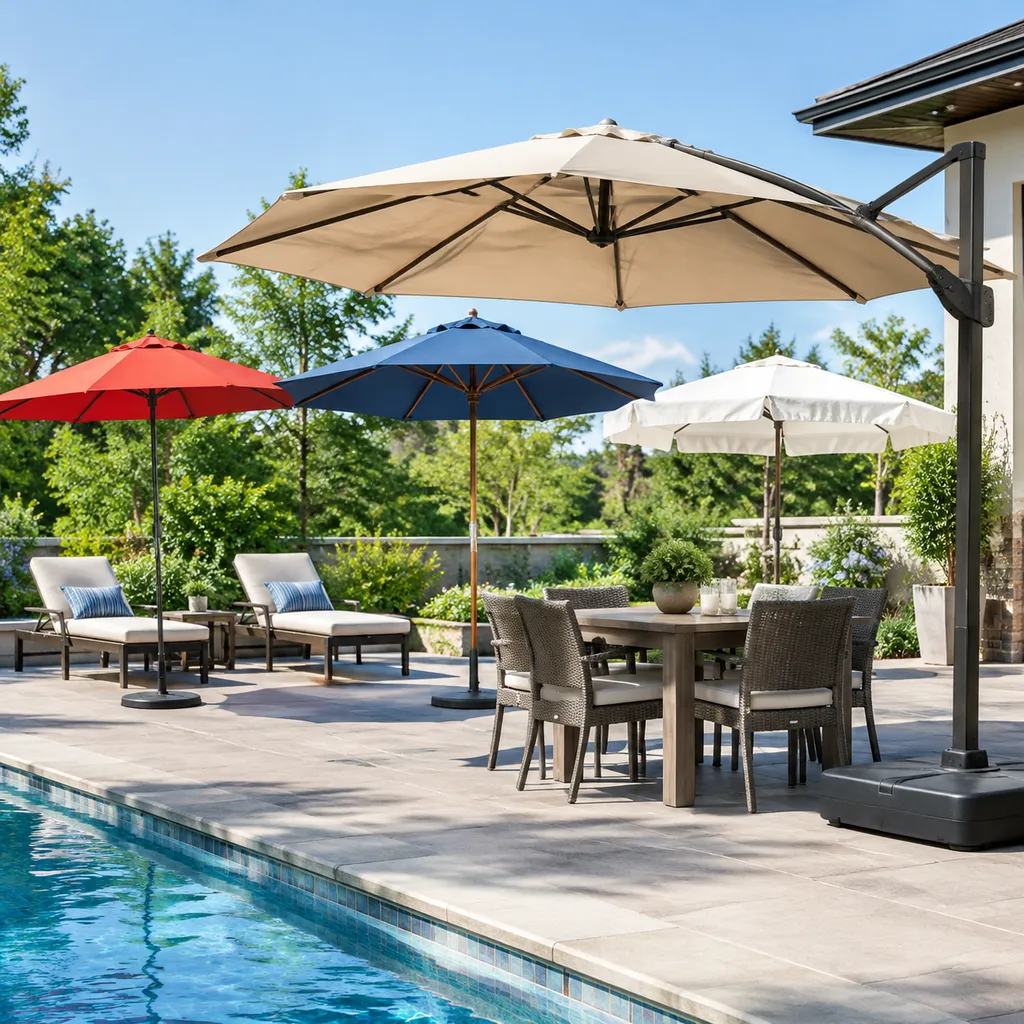
We specialize in manufacturing Wholesale Patio Umbrellas designed to meet distinct commercial, residential, and promotional needs. Choosing the right style determines how easily your buyers can configure outdoor layouts, withstand local weather, and maximize floor space.
Center Pole and Classic Market Umbrellas
Classic market umbrellas remain the industry benchmark for standard patio dining and hospitality decks. Featuring a direct vertical mast made from aluminum or hardwood, these models slip easily through dining table holes or mount into freestanding bases.
- Core Strengths: Exceptional structural balance, straightforward handling, and high cost-efficiency for bulk orders.
- Best For: Sidewalk bistros, residential dining sets, and high-turnover cafe patios.
- Available Sizes: Typically 6.5 ft to 11 ft octagonal or square configurations.
Cantilever and Offset Hanging Umbrellas
Cantilever umbrellas position the support pole outside the shaded footprint, suspending the canopy from an arched or angled side arm. This frees up 100% of the usable ground space beneath the canopy, making them premier outdoor shade solutions for luxury lounges and poolside daybeds.
- Key Features: 360-degree foot pedal rotation, vertical tilt articulation, and heavy-duty counterweight bases.
- Target Markets: Modern residential patios, upscale rooftop bars, and lounge areas outlined in our outdoor furniture buying guide for hotels and resorts.
- Sourcing Note: Requires reinforced aluminum alloy ribs to handle extra torque from wind loads.
Commercial Telescopic and Heavy-Duty Parasols
Built for demanding hospitality environments, commercial patio umbrella designs feature a telescopic mast system. When closing the unit, the central runner lifts upward, allowing massive canopies to close cleanly over tables and chairs without displacing furniture below.
| Feature | Standard Parasol | Commercial Telescopic Parasol |
|---|---|---|
| Canopy Span | Up to 10 ft (3 m) | 13 ft to 20 ft (4 m to 6 m) |
| Mast Diameter | 38 mm – 48 mm | 60 mm – 100 mm reinforced aluminum |
| Wind Rating | Up to 25 mph | Up to 50+ mph (with ground anchors) |
| Closing Clearance | Hits table height | Clears standard dining table height |
Custom Beach and Promotional Umbrellas
High-volume branding drives steady seasonal profits. Promotional parasols balance lightweight transportability with durable canopy fabric tailored for screen printing or full-surface digital dye-sublimation.
- Build Specs: Rust-proof fiberglass ribs, pointed-bottom sand anchors, tilt-mechanisms, and UV50+ polyester canopies.
- Distributor Advantages: Low minimum order requirements per graphics run, compact packaging to lower container shipping costs, and rapid turnarounds for corporate sponsorships and beverage brand campaigns.
Critical Materials and Structural Specifications to Evaluate
When sourcing inventory, the structural blueprint separates short-lived seasonal products from profitable, high-performing outdoor shade solutions. We build our wholesale patio umbrellas around verified durability benchmarks that minimize return rates, protect commercial client investments, and ensure brand integrity.
Canopy Fabrics: UV Resistance, Waterproofing, and Colorfastness
The canopy fabric bears the brunt of the weather. Specifying the wrong textile leads to premature fading, tearing, and lost reorders. We evaluate outdoor performance across three core textiles to match various price points and performance expectations:
| Fabric Type | UV Resistance (UPF) | Colorfastness to Light | Water Column (Hydrostatic) | Recommended Application |
|---|---|---|---|---|
| Solution-Dyed Acrylic | 50+ (Blocks 98% UV) | 2,000+ Hours (Grade 7-8) | > 1,000 mm (PU Coated) | Luxury hospitality, resorts, high-end commercial projects |
| Solution-Dyed Olefin | 50+ (Blocks 95% UV) | 1,200+ Hours (Grade 6-7) | > 800 mm (Water repellent) | Mid-tier commercial dining, high-traffic retail |
| Spun Polyester | 30–40 (Blocks 90% UV) | 400–600 Hours (Grade 4-5) | > 400 mm (PA Coated) | Value retail, promotional umbrellas, seasonal residential |
Prioritize solution-dyed options for all commercial orders. Dyeing the fiber before it is woven locks color into the core, offering superior fade resistance against intense sunlight and harsh pool chlorine.
Frame and Pole Materials: Aluminum, Fiberglass, and Steel
Frame failure translates directly to field liability. Selecting the right frame alloy requires balancing weight, flex, and environmental resistance:
- Extruded Aluminum: The standard choice for commercial patio umbrella poles. Aluminum offers high tensile strength and complete rust immunity. We apply an electrostatic powder finish with a minimum thickness of 60 to 80 microns to resist chipping and saltwater oxidation. For a deeper breakdown of structural metals, see our powder-coated aluminum vs stainless steel outdoor furniture guide.
- Fiberglass Ribs: Highly elastic and virtually unbreakable under wind shear. Fiberglass flexes under sudden gusts and returns to its original shape, making it the preferred specification for coastal resorts and open-air rooftop installations.
- Heavy-Gauge Steel: Cost-effective and structurally rigid, but prone to rust if moisture penetrates the finish. We reserve treated steel primarily for ground mounting plates and internal reinforcement collars rather than the main pole assembly.
Opening Mechanisms: Crank, Pulley, and Auto-Tilt Systems
The operational hardware determines the overall lifespan of market umbrellas and cantilever umbrellas:
- Commercial Pulley and Pin Systems: The most reliable design for high-traffic hospitality settings. With no internal gears to strip, marine-grade nylon cords and stainless steel locking pins eliminate mechanical downtime.
- Reinforced Crank Lifts: Ideal for cantilever and larger residential units where ease of use is a priority. Demand internal braided steel cables rather than nylon cords, along with zinc-cast gears to handle repetitive torque without stripping.
- Push-Button and Collar Auto-Tilt: Allows smooth sun-tracking angles. While popular in retail and residential segments, tilt mechanisms introduce an additional joint stress point and should be avoided in heavy-duty commercial installations.
Base Weight Calculations and Wind Resistance Ratings
Base failure creates serious safety hazards. We mandate base weight configurations directly scaled to the canopy span, wind exposure, and mount type:
| Canopy Diameter / Size | Through-Table Base Weight | Freestanding Base Weight | Recommended Wind Resistance |
|---|---|---|---|
| 2.0 m – 2.5 m (6.5′ – 8′) | 20 kg – 25 kg (45 – 55 lbs) | 35 kg – 45 kg (75 – 100 lbs) | Stable up to 40 km/h (Beaufort 6) |
| 3.0 m (10′) Classic Market | 30 kg – 35 kg (65 – 75 lbs) | 55 kg – 65 kg (120 – 145 lbs) | Stable up to 45 km/h (Beaufort 6) |
| 3.0 m – 3.5 m Cantilever | Not Applicable | 90 kg – 120 kg (200 – 265 lbs) | Stable up to 35 km/h (Beaufort 5) |
| 4.0 m+ Heavy-Duty Parasol | In-ground sleeve only | 120 kg – 150 kg (265 – 330 lbs) | Stable up to 55 km/h (Beaufort 7) |
Dual top wind vents are built into every commercial canopy profile to release uplift pressure. We design these airflow channels to lower the umbrella’s aerodynamic lift profile, keeping the system grounded during unexpected wind spikes.
Selecting the Right Patio Umbrellas by Market Application
Every commercial and retail client operates with distinct space, budget, and durability requirements. Matching the right structure to the end-use environment prevents premature failures, reduces warranty claims, and preserves margins for distributors. We specialize in manufacturing Wholesale Patio Umbrellas tailored to rigorous commercial standards and competitive retail price points alike.
Commercial Hospitality: Hotels, Resorts, and Poolsides
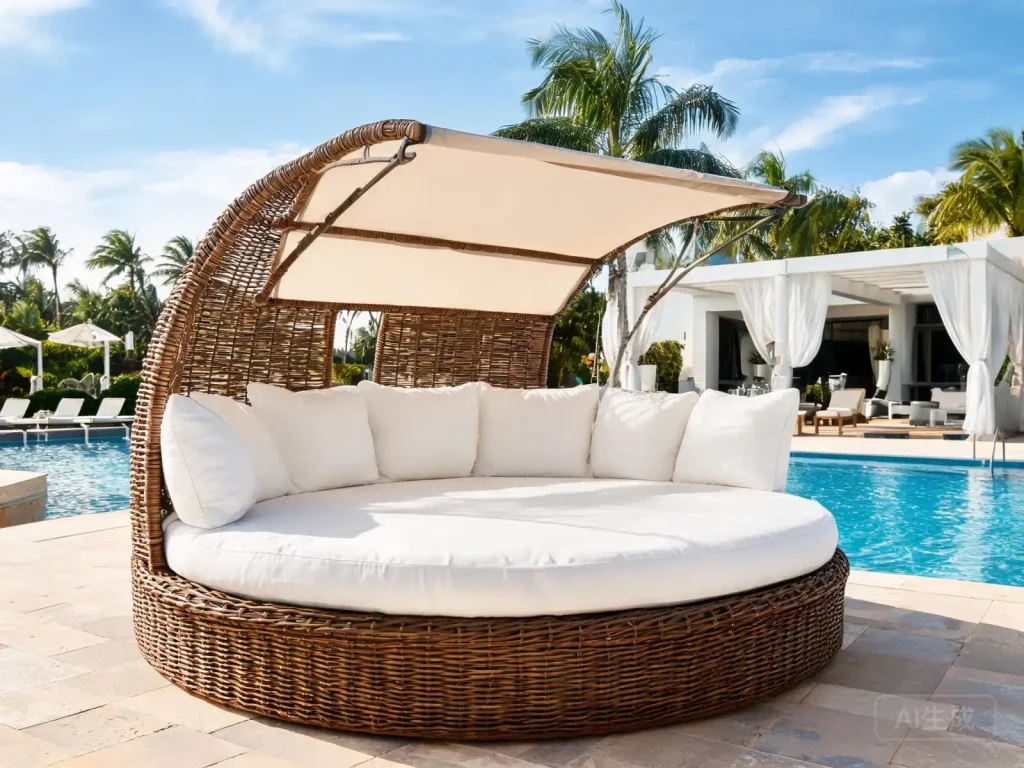
Luxury resorts, beachfront hotels, and private clubs require heavy-duty shade that withstands constant sun exposure, high winds, and chlorine or saltwater mist. For poolside decks, pairing shade units with durable commercial outdoor sofas for hotels creates complete lounging zones that elevate the guest experience.
- Structure: 360-degree rotating cantilever umbrellas and heavy-gauge aluminum center-pole systems.
- Fabric Standard: Solution-dyed acrylic or high-grade olefin canopy fabric offering UPF 50+ UV protection and high fade resistance.
- Safety & Anchorage: In-ground mounting sleeves or concrete-weighted bases exceeding 120 kg to handle open coastal drafts.
Outdoor Dining: Restaurants, Cafes, and Bistros
Sidewalk cafes and high-density restaurant patios need functional outdoor shade solutions that maximize floor space and seat turnover without obstructing servers or foot traffic.
| Feature | Standard Cafe Need | Recommended Umbrella Spec |
|---|---|---|
| Clearance | Must close without hitting dining tables | Telescopic commercial patio umbrella systems |
| Footprint | Compact, stable base under tables | Low-profile flat steel bases (20–35 kg) |
| Durability | Daily opening, closing, and cleaning | Commercial pulley or auto-locking push-up setups |
For operations located in unpredictable weather zones, pairing quick-drying market umbrellas alongside weather-resistant outdoor furniture sets ensures patio service runs smoothly through unexpected showers.
Residential and High-Volume Retail Distribution
Sourcing for mass retail, garden centers, and e-commerce distribution demands an optimal balance of curb appeal, assembly convenience, and compact shipping dimensions.
- Consumer-Friendly Mechanisms: Smooth crank-lift handles and auto-tilt functions designed for intuitive backyard operation.
- Packaging Efficiency: Flat-pack, drop-test-certified single-carton packaging that minimizes shipping volume and meets direct-to-consumer parcel freight standards.
- Cost Optimization: Powder-coated steel or standard aluminum frames fitted with water-repellent spun polyester or recycled polyester canopies.
- Flexible Sourcing: Low minimum order thresholds per colorway to allow diverse SKU lineups across regional retail locations.
How to Choose Reliable Wholesale Umbrella Manufacturers
Finding a factory that delivers consistent quality across thousands of units is the single most critical step for your distribution business. We specialize in manufacturing wholesale patio umbrellas, and over the years, we have seen how direct factory alignment saves distributors months of delays and thousands of dollars in warranty claims. When vetting manufacturers, you need production partners who own their tooling, maintain rigorous raw-material supply lines, and scale alongside your order volume.
Identifying Top Manufacturing Hubs and Clusters
The global umbrella manufacturing landscape centers on distinct industrial clusters, primarily across East Asia. Knowing where these hubs are located helps you pinpoint where raw materials, hardware, and assembly costs are most competitive.
- Zhejiang Province (Songxia & Linhai, China): The global capital for outdoor parasols and market umbrellas. Songxia produces the bulk of global canopy fabric and frame components, giving factories here unbeatable supply chain speed and component pricing.
- Guangdong Province (Foshan & Dongguan, China): Known for premium outdoor furniture and heavy-duty commercial patio umbrella engineering. Factories here excel in architectural cantilever umbrellas, complex powder-coated aluminum extrusions, and high-end stainless steel hardware.
- Vietnam (Binh Duong & Dong Nai): An expanding hub for US-bound distributors seeking tariff mitigation. Strong in basic wood and aluminum market umbrellas, though most specialized fabrics are still imported.
| Manufacturing Region | Primary Product Focus | Core Advantage | Typical Production Lead Time |
|---|---|---|---|
| Linhai / Songxia, China | Market umbrellas, polyester parasols | Lowest component cost, high volume | 30–40 Days |
| Foshan, China | Heavy-duty commercial & cantilever units | High engineering standards, custom finishes | 40–50 Days |
| Southern Vietnam | Standard residential patio umbrellas | Favorable export duties to North America | 45–60 Days |
Evaluating OEM, ODM, and Custom Branding Capabilities
A reliable manufacturer must offer more than just an off-the-shelf catalog. Your market edge as a distributor relies on offering distinctive products tailored to commercial hospitality clients or retail chains. Much like sourcing from specialized commercial awning suppliers for outdoor shade solutions, vetting an umbrella manufacturer requires verifying their in-house engineering and customization capabilities.
- CAD and Structural Prototyping: A genuine ODM partner can turn your structural sketch or rib-reinforcement concept into a workable 3D CAD model within 5 to 7 business days.
- Canopy Fabric Customization: Look for factories equipped with in-house screen printing, rotary printing, and dye-sublimation equipment. They should stock solution-dyed acrylics, olefin, and high-grade polyester with certified UV-blocking treatments.
- Hardware and Finish Options: Ensure the plant handles anodized aluminum, wood-grain heat transfers, and salt-spray-tested powder coatings to match distinct hospitality design briefs.
- Private-Label Packaging: The factory should provide drop-test-certified mail-order boxes (ISTA 3A/6A standards), custom barcoding, and branded inner polybags ready for direct delivery to your retail partners.
Managing Minimum Order Quantities (MOQs) and Tiered Pricing
Balancing inventory risk against container economics requires clear negotiation around minimum order limits and scale pricing. Umbrella frames and heavy granite or steel bases create high cubic meter (CBM) volume, meaning your buying strategy must revolve around full container loads (FCL).
- Standard Production MOQs: Most direct manufacturers set a baseline minimum of 200 to 500 units for standard market umbrellas using stock canopy fabrics. For custom-molded cantilever umbrellas or specialized solution-dyed fabric colors, minimums typically start at 500 to 1,000 units.
- Mixed-SKU Container Policies: Reliable manufacturing partners allow distributors to consolidate 2 to 4 complementary models or multiple canopy colors within a single 40ft High Cube (HQ) container. This protects your working capital while testing new product variants in your local market.
- Tiered Pricing Thresholds: Structure your contracts around distinct volume tiers:
- Sample & Trial Run (100–300 pcs): Base wholesale price; best for verifying customer acceptance.
- Volume Tier (1–3 FCL Containers): 8% to 15% discount off base; standard commercial pricing.
- Contract Scale (5+ Containers annually): 18% to 25% discount; includes customized tooling amortization and dedicated production scheduling.
Quality Control, Compliance, and Logistics for Importers
Sourcing wholesale patio umbrellas and parasols requires airtight quality verification before goods leave the factory floor. We specialize in manufacturing Wholesale Patio Umbrellas built to withstand heavy commercial use, but maintaining consistent standards across production runs demands systematic inspections, rigorous testing, and freight optimization.
Essential Quality Assurance and Factory Audit Checklists
Defects in large outdoor shade solutions quickly destroy distributor margins through warranty claims and return shipping costs. When conducting pre-shipment inspections (PSI) and on-site factory audits, we monitor three distinct production stages:
- Raw Material Inspection: Verifying canopy fabric density, yarn-dyed thread count, UV-stabilizer ratings, and the wall thickness of extruded aluminum poles.
- Mechanical & Structural Audit: Testing crank-lift torque, tilt mechanisms, and rib flex elasticity under continuous load.
- Cosmetic and Assembly Review: Checking stitch density (minimum 4 to 5 stitches per centimeter), reinforced stress pockets at rib tips, and uniform powder-coating without pinholes or flaking.
| Inspection Checkpoint | Commercial Tolerance | Failure Action |
|---|---|---|
| Pole Wall Thickness | ±0.1 mm | Reject batch if under-spec |
| Fabric Water-Repellency | Hydrostatic Head ≥ 1500 mm | Re-treat or scrap lot |
| Crank Mechanism Cycles | 1,500+ cycles smooth operation | Replace internal gearbox |
| Color Fastness to Light | AATCC 16 Grade 4.0 minimum | Reject fabric roll |
International Safety Certifications and Wind-Tunnel Testing
Commercial buyers demand verified proof of performance. For high-volume distribution into hospitality, public venues, or projects featuring luxury outdoor living setups alongside curved organic outdoor loungers, parasols must adhere to regional safety frameworks:
- Wind-Tunnel Certification: Standard market umbrellas should endure continuous wind speeds of 30–35 mph (Beaufort Force 7). Heavy-duty commercial patio umbrella units must hold stable up to 50–60 mph with properly anchored counterweights.
- Fabric Safety Standards: Canopy textiles must meet OEKO-TEX Standard 100 for chemical safety, UPF 50+ sun protection ratings (blocking 98%+ of UVA/UVB rays), and regional fire retardancy benchmarks like NFPA 701 or California Technical Bulletin 117.
- Structural and Environmental Testing: Salt-spray chamber tests (minimum 500 hours for maritime environments) confirm corrosion resistance on aluminum frames, stainless steel hardware, and internal crank wires.
Packaging Optimization, Freight Logistics, and Lead Times
Freight costs can dictate profitability when shipping bulky, long-carton products like cantilever umbrellas and telescopic parasols.
- CBM Minimization: We design nested packaging and knock-down (KD) frames to eliminate dead air space. Using custom inner molded pulp trays reduces outer carton dimensions by up to 22%, dramatically increasing container capacity.
- Drop-Test Compliance: All export cartons must clear ISTA 1A or 3A drop tests to survive rough container handling and local LTL transit without rib bending or carton puncture.
- Lead-Time Management: Production cycles typically require 35 to 45 days post-deposit, extending to 60 days during peak season (November through March). Factor in 25 to 35 days for ocean freight, scheduling inventory buys at least four to five months ahead of the retail selling window to secure reliable container space and hedge against port congestion.